
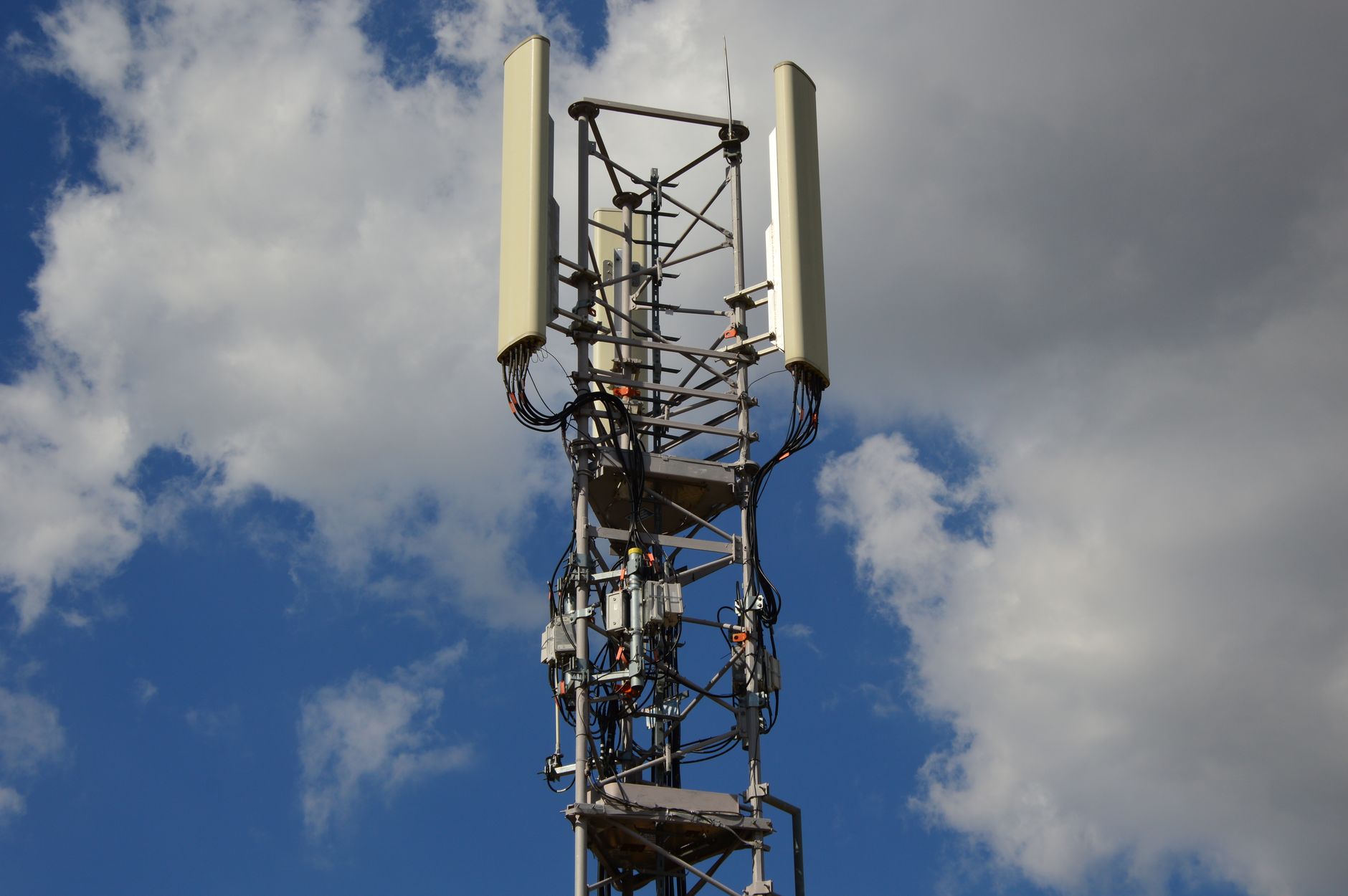
Photo by Ulrick Trappschuh on Pexels
The Data Problem Hiding Inside Every 5G Network
Modern telecom networks are extraordinary data factories. A single mid-sized 5G deployment can generate millions of performance data points every hour — radio signal metrics, throughput rates, latency measurements, handover statistics, and dozens of other key performance metrics (KPMs) that collectively paint a picture of network health. The challenge has never been collecting that data. The challenge has always been making sense of it fast enough to matter.
For years, operators have leaned on traditional monitoring tools, rule-based alerting systems, and increasingly, machine learning models trained on historical data. But a new AI-driven framework called TelcoAgent is taking a fundamentally different approach — one that grounds its forecasting intelligence directly in the technical standards that define how 5G networks are supposed to behave in the first place.
What TelcoAgent Actually Does
At its core, TelcoAgent is an agentic AI system designed to perform zero-shot KPM forecasting — meaning it can generate meaningful predictions about network performance metrics without requiring prior training on operator-specific historical datasets. This is a significant departure from conventional AI forecasting models, which typically demand large volumes of labeled, domain-specific training data before they can produce reliable outputs.
The secret ingredient is a 3GPP knowledge graph — a structured, machine-readable representation of the technical standards, definitions, relationships, and specifications published by the 3rd Generation Partnership Project, the standards body that defines the global framework for 4G LTE and 5G NR networks. By anchoring its reasoning in these formal standards, TelcoAgent gives its AI agents a rigorous technical foundation to work from, rather than relying purely on statistical pattern recognition.
Why Zero-Shot Matters for Operators
The zero-shot capability is particularly significant for the operational realities of telecom. Network environments vary enormously between operators — different spectrum bands, vendor equipment mixes, deployment densities, and traffic profiles all influence how KPMs behave. Traditional supervised learning models trained on one operator’s data often perform poorly when applied to another’s network, or even to new deployment scenarios within the same network.
Zero-shot forecasting sidesteps this problem by leveraging domain knowledge embedded in standards rather than empirical training data. For operators deploying new network slices, expanding into new frequency bands, or rolling out Open RAN architectures, this means AI-driven performance insights can be available from day one — before meaningful historical data even exists.
The Role of the 3GPP Knowledge Graph
The 3GPP knowledge graph is arguably TelcoAgent’s most technically interesting component. 3GPP specifications are notoriously dense — running to tens of thousands of pages across hundreds of technical documents — and extracting actionable operational intelligence from them has historically required deep human expertise.
By converting these standards into a structured knowledge graph, TelcoAgent creates a navigable map of how network parameters, performance indicators, and protocol behaviors relate to each other. When the system’s AI agents reason about why a particular KPM is trending in a certain direction, they can trace their logic back to the underlying technical definitions and interdependencies described in the standards themselves. This makes the system’s outputs far more interpretable and trustworthy for network engineers who need to understand not just what the AI predicts, but why.
KPMs in Focus: What Gets Forecasted
Key Performance Metrics in 5G networks span a wide range of operational domains. TelcoAgent’s framework targets metrics such as downlink and uplink throughput, packet error rates, handover success rates, radio resource utilization, latency distributions, and cell availability statistics — all of which are formally defined within 3GPP specifications like TS 28.552, which governs 5G performance management. By aligning forecasting targets with standardized metric definitions, TelcoAgent ensures its predictions are directly actionable within existing network management workflows.
Industry Implications: AI Meets Standards-Based Networking
TelcoAgent represents a broader trend gaining momentum across the telecom industry: the convergence of large language models, agentic AI architectures, and formal domain knowledge. Rather than treating AI as a black box layered on top of network operations, this approach embeds technical standards directly into the AI’s reasoning process — creating systems that speak the same language as the engineers who operate networks and the vendors who build them.
This matters enormously in an industry where precision is non-negotiable. A misconfigured recommendation from an AI tool can cascade into dropped calls, degraded throughput, or SLA violations affecting enterprise customers. Grounding forecasting in 3GPP standards provides a layer of accountability and technical coherence that purely data-driven approaches struggle to offer.
The timing is also notable. As operators accelerate their investments in autonomous network operations, RAN intelligent controllers (RICs), and AI/ML-driven closed-loop automation, the demand for reliable, interpretable AI forecasting tools is intensifying. Frameworks like TelcoAgent could serve as critical components within the broader O-RAN architecture, feeding insights into xApps and rApps that automate real-time and near-real-time network optimization decisions.
Looking Ahead
The telecommunications industry is entering a period where AI is no longer a future aspiration but an operational requirement. Networks are growing too complex, too dynamic, and too data-rich for purely human-driven management to remain viable at scale. But the industry has also learned, sometimes painfully, that AI tools which ignore the specific technical realities of telecom tend to underdeliver in production environments.
TelcoAgent’s approach — combining the flexibility of agentic AI with the precision of 3GPP-grounded knowledge — offers a compelling blueprint for how the next generation of network intelligence tools might be built. Whether this framework scales to the full complexity of live operator environments remains to be proven, but as a conceptual architecture, it addresses some of the most persistent limitations of AI in telecom with genuine technical rigor. For an industry hungry for AI tools it can actually trust, that’s a meaningful step forward.
