
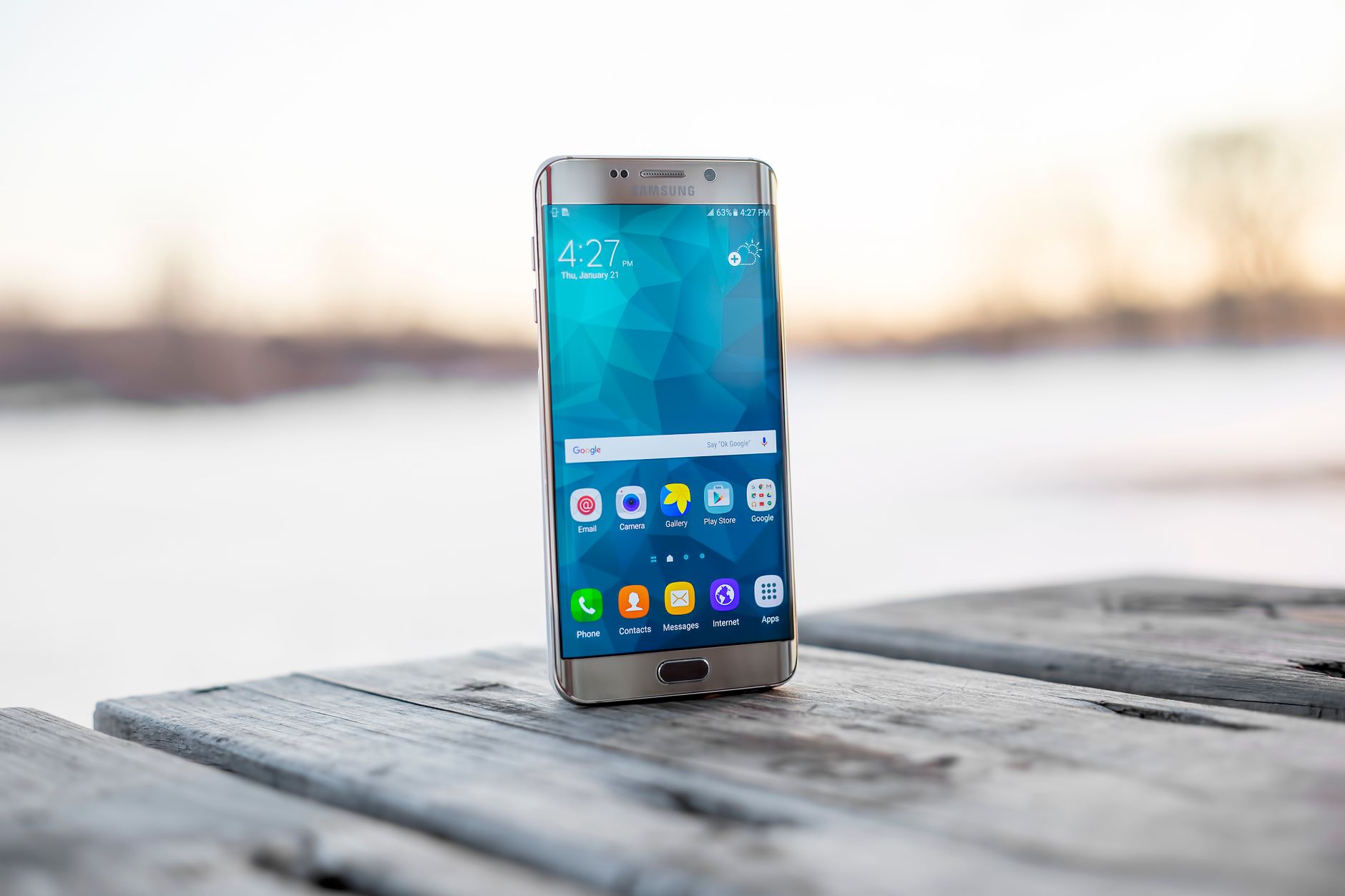
Photo by MOHI SYED on Pexels
Samsung’s Galaxy Watch 9 Set to Ditch Exynos in Favor of Qualcomm Silicon
Samsung is preparing to make a bold architectural pivot with its next-generation smartwatch lineup. According to emerging reports ahead of the anticipated Galaxy Unpacked event, the Galaxy Watch 9 series will be powered by a Qualcomm Snapdragon W-series processor rather than Samsung’s own Exynos-based wearable chip. If confirmed, this represents one of the most consequential silicon decisions Samsung has made in the wearable space in years — and the ripple effects will be felt far beyond a single product launch.
The move is being closely watched by industry analysts, telecom professionals, and wearable tech enthusiasts alike, as it reflects shifting dynamics in the mobile semiconductor ecosystem and raises important questions about where Samsung’s hardware strategy is headed.
Why Qualcomm? Understanding the Silicon Strategy
Samsung has historically relied on its own Exynos W-series chips to power the Galaxy Watch lineup — a strategy that kept silicon development in-house and aligned with its broader semiconductor ambitions. However, performance benchmarks and thermal efficiency metrics have consistently shown that Qualcomm’s Snapdragon W-series processors offer competitive — and in some areas, superior — advantages in smartwatch applications.
Qualcomm’s Snapdragon W5+ Gen 1, for instance, is built on a 4nm process node and features a dual-subsystem architecture designed to dramatically extend battery life while maintaining high-performance computing for health sensors, real-time connectivity, and AI-driven features. The chip supports multi-constellation GNSS, Bluetooth 5.3, Wi-Fi 5, and is optimized for ultra-low-power states — all critical capabilities for modern smartwatches.
By adopting Qualcomm silicon, Samsung may be positioning the Galaxy Watch 9 to close the performance gap with competitors like Apple Watch, while also potentially accelerating development timelines by leveraging Qualcomm’s mature wearable platform ecosystem.
Connectivity and 5G Implications for Wearables
From a telecom perspective, the chipset choice carries significant weight. Qualcomm’s wearable processors are tightly integrated with its modem technologies, offering enhanced LTE and emerging 5G connectivity support for standalone smartwatch use cases. As carriers around the world continue to expand their wearable device plans — allowing smartwatches to operate independently from a paired smartphone — the underlying chip architecture becomes a critical factor.
A Qualcomm-powered Galaxy Watch 9 could theoretically benefit from more robust network handoff capabilities, improved VoLTE (Voice over LTE) performance for standalone calling features, and better compatibility with carrier-grade network slicing as 5G infrastructure matures. For telecom operators, this matters because wearables represent a growing segment of device activations on wireless networks, and ensuring consistent Quality of Service (QoS) for smartwatch connectivity is an increasingly important network planning consideration.
Wear OS Integration Gets a Boost
Another dimension worth noting is the software ecosystem. Qualcomm’s Snapdragon W-series chips are architected with Wear OS optimization in mind — a platform Samsung co-developed with Google and relaunched with Galaxy Watch 4 back in 2021. A tighter hardware-software alignment between Qualcomm silicon and Wear OS could translate into smoother animations, faster app load times, and more efficient background health monitoring — all areas where Galaxy Watch users have occasionally noted room for improvement.
Google itself has been deepening its investment in Wear OS, and Qualcomm has been a key partner in that effort. Samsung joining that aligned stack more fully could accelerate feature parity and platform stability across the Android wearable ecosystem.
Competitive Landscape: Apple Watch, Google Pixel Watch, and Beyond
The smartwatch market remains fiercely competitive. Apple’s vertically integrated approach — using its own S-series chips purpose-built for watchOS — has set a high bar for performance and efficiency. Google’s Pixel Watch 3, meanwhile, uses Samsung’s Exynos W930 chip, which creates an interesting irony: Samsung may be moving away from the very chip Google adopted.
For Samsung, partnering with Qualcomm could be a pragmatic acknowledgment that in the current wearable silicon race, leveraging the best available technology — regardless of origin — is more important than maintaining vertical integration for its own sake. It’s a page taken from the broader smartphone playbook, where even Samsung ships Qualcomm-powered Galaxy S devices in key markets like North America.
Industry Outlook: A New Wearable Silicon Era?
The reported Qualcomm-Samsung partnership for Galaxy Watch 9 may signal a broader industry trend: as smartwatches evolve into sophisticated health monitoring and communications hubs, the demand for purpose-built, high-efficiency wearable processors will intensify. Chip makers that can deliver on battery life, AI inference at the edge, multi-band connectivity, and biometric sensor fusion will define the next generation of wearable experiences.
For telecom operators and network equipment providers, this evolution is directly relevant. More capable, always-connected smartwatches mean higher expectations for network reliability, lower latency in health data transmission, and new opportunities for differentiated wearable service plans. As Samsung prepares to take the stage at Galaxy Unpacked, all eyes will be on not just the design of the Galaxy Watch 9 — but what’s powering it under the hood.
With Qualcomm potentially at the helm, the Galaxy Watch 9 could mark the beginning of a new performance chapter for Android wearables — and a reminder that in the semiconductor industry, strategic partnerships often matter as much as proprietary innovation.
