
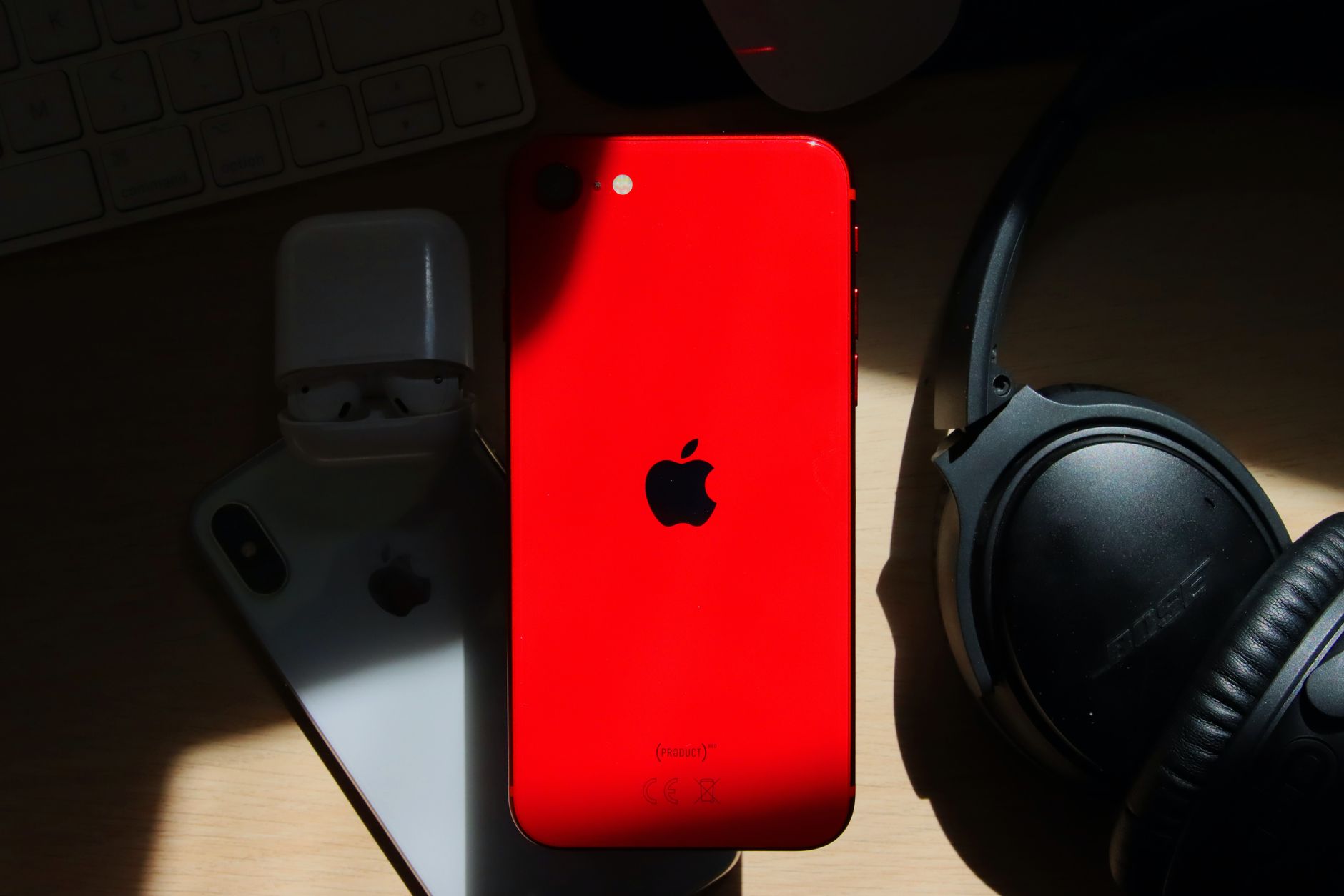
Photo by Filipe Alves on Pexels
Apple Sets the Telecom World on Edge Ahead of October 13 Event
Few moments on the global technology calendar carry as much weight for telecommunications professionals as an Apple product launch. The Cupertino-based tech giant, consistently ranked among the world’s most valuable companies, is once again preparing to take center stage — this time with a reported event slated for October 13, 2026. While details remain tightly under wraps in classic Apple fashion, the ripple effects of whatever is announced will almost certainly be felt across wireless carriers, network equipment vendors, and broadband service providers worldwide.
Apple’s product launches have historically served as inflection points for the broader telecom industry. The introduction of the original iPhone in 2007 fundamentally reshaped mobile data consumption. The rollout of 5G-capable iPhones beginning with the iPhone 12 series in 2020 accelerated carrier investment in mid-band spectrum and millimeter wave deployments almost overnight. The October 13 announcement, whatever form it takes, is unlikely to be any different.
Reading the Signals: What Could Apple Announce?
Industry analysts and supply chain observers are pointing to several possibilities for the October 13 event, each carrying distinct implications for the telecom sector.
Next-Generation iPhone with Advanced Modem Technology
Perhaps the most consequential possibility is a new iPhone generation featuring Apple’s in-house modem chip — a project the company has been developing for years following its acquisition of Intel’s smartphone modem division. If Apple debuts a fully proprietary modem platform at this event, it would mark a seismic shift away from Qualcomm dependency and could unlock tighter integration between hardware and wireless performance. For telecom operators, this means potentially more efficient spectrum utilization, improved carrier aggregation capabilities, and enhanced support for features like network slicing and standalone 5G architecture.
Apple’s custom modem could also accelerate support for 5G Advanced (also known as 5G Release 18 and beyond), bringing features like uplink enhancements, AI-driven network optimization, and improved power efficiency directly to handset level — benefits that would translate into tangible improvements in network load management for carriers.
Expanded Satellite Connectivity Features
Since introducing Emergency SOS via Satellite in 2022, Apple has been steadily building out its direct-to-device satellite ambitions. October 13 could see the company announce expanded satellite messaging, satellite-based broadband supplementation, or deeper integration with low Earth orbit (LEO) satellite constellations. Such a move would position Apple firmly within the growing direct-to-device (D2D) satellite ecosystem, challenging traditional terrestrial carriers in underserved and rural coverage scenarios.
For mobile network operators, this is both a threat and an opportunity. While satellite connectivity could reduce roaming revenue in remote areas, it also opens partnership pathways with carriers looking to seamlessly blend terrestrial and non-terrestrial networks — a key pillar of 3GPP’s evolving standards framework.
Wi-Fi 7 and Ultra-Wideband Upgrades
Any new Apple hardware announced on October 13 is also expected to double down on Wi-Fi 7 (IEEE 802.11be) support, offering multi-link operation (MLO), 320 MHz channel bandwidth, and 4K QAM modulation. For home broadband providers and enterprise network administrators, widespread Wi-Fi 7 adoption in Apple devices will drive urgent upgrades to access point infrastructure and backend routing capacity.
The Carrier and Network Infrastructure Angle
History has shown that Apple announcements function almost like unofficial mandates for network investment. When 5G iPhones arrived in late 2020, U.S. carriers — AT&T, Verizon, and T-Mobile — accelerated their mid-band 5G buildouts to ensure their networks could back up Apple’s marketing promises. A similar dynamic is expected to play out in 2026, particularly as operators are now deep into deploying 5G Standalone (SA) cores and network function virtualization platforms.
If Apple’s October 13 product supports enhanced capabilities like network slicing for consumers, QoS prioritization, or improved Voice over NR (VoNR), carriers will face pressure to commercially activate features that many have had technically deployed but underutilized for months. This could be the catalyst that finally moves 5G SA from a back-office infrastructure investment into a consumer-facing differentiator.
Market Impact: Subscriber Trends and Device Supercycles
From a market dynamics perspective, a major Apple launch in October 2026 arrives at a strategically significant moment. Global smartphone shipments have shown signs of recovery following several years of post-pandemic correction, and analysts at IDC and Counterpoint Research have flagged the 2025-2026 window as a potential “device supercycle” driven by AI-enhanced hardware and network capability upgrades.
Carriers that bundle device upgrade programs with 5G plan migrations stand to see meaningful subscriber activity around the October 13 launch — provided they’ve done the network homework to deliver on the performance Apple’s ecosystem promises.
Industry Outlook: A Launch That Could Redefine Connectivity Expectations
Whatever Apple unveils on October 13, the telecom industry should be paying close attention. The company’s unique ability to synchronize hardware, software, and network capability at scale means that a single product launch can redefine consumer expectations for connectivity quality, coverage reliability, and wireless performance in ways that no carrier campaign or network upgrade alone can achieve.
For network operators, equipment vendors, and spectrum policymakers, the message ahead of October 13 is clear: Apple doesn’t just launch products — it launches new connectivity standards that the entire industry is then expected to meet. Preparation, not reaction, is the only viable strategy.
