
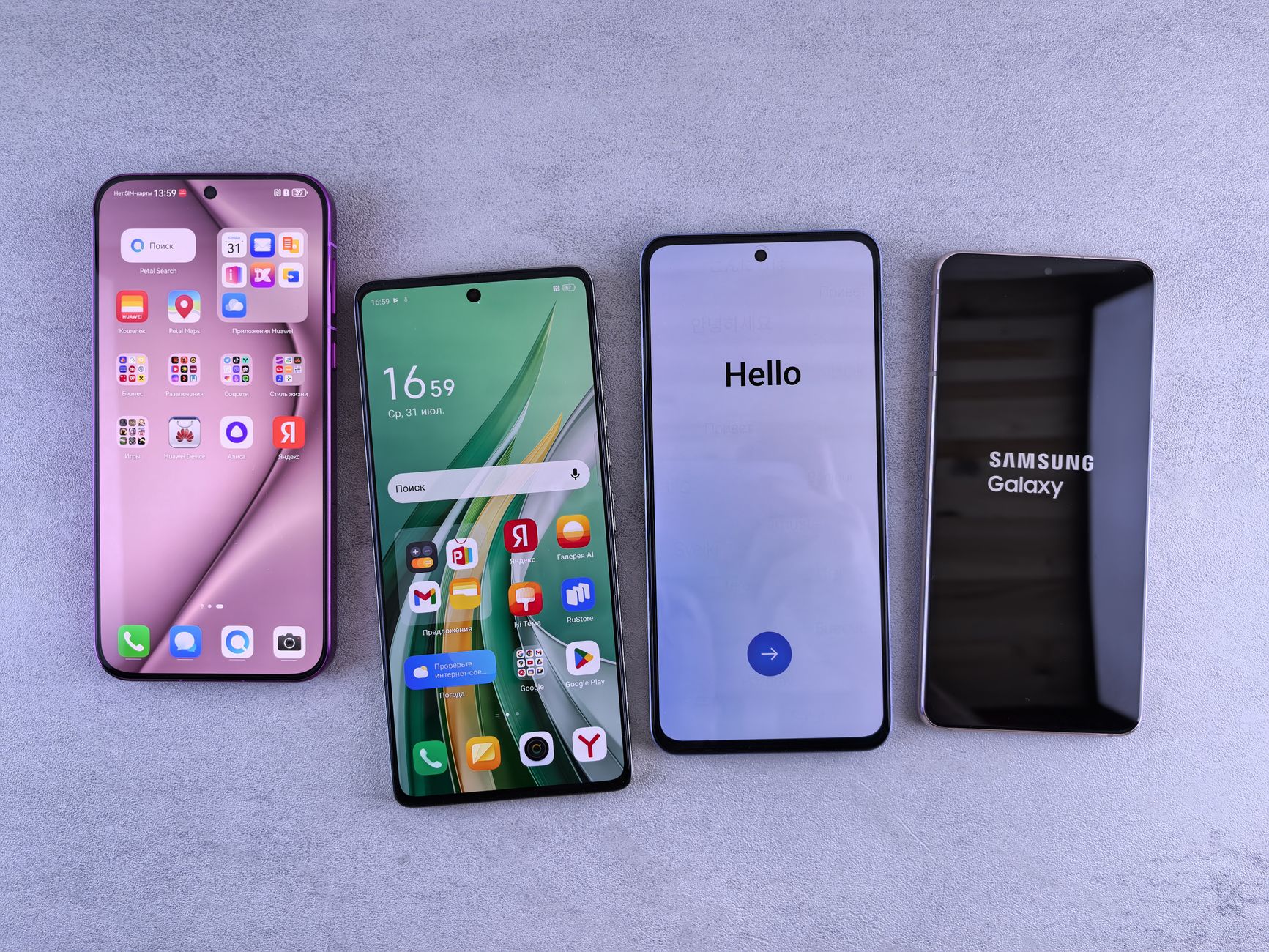
Photo by Andrey Matveev on Pexels
Samsung Galaxy S27 Ultra: First Leaks Paint a Picture of a Major Overhaul
It’s barely mid-cycle for the Galaxy S26 series, yet the rumor mill surrounding Samsung’s next flagship is already spinning at full speed. Early leaks circulating across tech communities and supply chain sources are beginning to sketch out what the Samsung Galaxy S27 Ultra could look like — and if the details hold true, Samsung may be preparing one of its most significant hardware refreshes in years.
From a redesigned chassis to the anticipated debut of the Exynos 2700 processor, the Galaxy S27 Ultra is shaping up to be a device that carries substantial implications — not just for Samsung loyalists, but for the broader telecommunications and mobile technology ecosystem.
A Design Departure: What We Know So Far
One of the most discussed elements from the early leaks is a notable shift in the Galaxy S27 Ultra’s physical design language. Samsung’s Ultra lineup has maintained a relatively consistent rectangular, flat-edge aesthetic since the S22 generation. According to leaked renders and supply chain whispers, the S27 Ultra may introduce refined curvatures, repositioned camera module architecture, and potentially slimmer bezels that push the display-to-body ratio even further.
While the S Pen slot — a hallmark of the Ultra lineup inherited from the Galaxy Note series — is expected to remain, its integration into the new form factor is reportedly being reimagined. These changes would mark a clear visual distinction from previous generations and signal Samsung’s intent to recapture consumer excitement at the premium end of the Android market.
Display Upgrades on the Horizon
Alongside the structural redesign, early speculation points to an upgraded Dynamic AMOLED display with improved brightness ceilings and a more efficient variable refresh rate panel. For telecom networks supporting high-bandwidth applications — from cloud gaming to 8K video streaming — a display capable of doing justice to advanced content pipelines matters as much to carriers as it does to end users.
The Exynos 2700: Samsung’s Chipset Redemption Arc Continues
Perhaps the most consequential revelation from these early leaks is the expected debut of the Exynos 2700 system-on-chip (SoC). Samsung’s in-house Exynos line has had a turbulent few years. The Exynos 2200 drew criticism for thermal performance and efficiency gaps compared to Qualcomm’s Snapdragon counterparts, and Samsung responded by leaning heavily on Snapdragon for key markets during the S23 and S24 cycles.
However, the Exynos 2400 — introduced with the Galaxy S24 series in select regions — marked a meaningful recovery, delivering substantially improved multi-core performance and AI processing capabilities. The Exynos 2700 is expected to build aggressively on that foundation.
What the Exynos 2700 Could Bring to the Table
Based on Samsung Foundry’s publicly discussed roadmap and industry analyst projections, the Exynos 2700 is expected to be manufactured on a next-generation 2nm or advanced 3nm process node — a critical factor in balancing raw performance with power efficiency. This process node improvement alone could close much of the remaining gap with TSMC-manufactured rivals like Apple’s A-series and Qualcomm’s Snapdragon 8 Elite successors.
From a telecom perspective, the integrated modem capabilities of the Exynos 2700 are equally noteworthy. Samsung’s Exynos modems have historically offered competitive 5G sub-6GHz and mmWave support, and the 2700 generation is anticipated to push further into advanced 5G-Advanced (5G-A) features — including carrier aggregation across more bands, improved uplink performance, and enhanced support for network slicing. These capabilities are increasingly important as carriers globally accelerate their mid-band 5G densification strategies.
Market and Industry Implications
Samsung’s Galaxy S series remains one of the most commercially significant Android product lines globally, and the S27 Ultra will compete in a premium segment that is anything but static. Apple’s iPhone 17 Pro lineup, Google’s Pixel 10 Pro, and an increasingly sophisticated wave of Chinese OEM flagships from Xiaomi, OPPO, and Huawei will all be vying for consumer attention in 2026.
For mobile network operators, flagship device cycles directly influence network utilization patterns and upgrade program performance. Devices with more capable modems and advanced 5G feature sets drive higher average data consumption and encourage subscribers to migrate to premium unlimited data tiers — a revenue dynamic carriers track carefully.
Samsung’s decision on Exynos versus Snapdragon distribution by market will also be closely watched. A stronger Exynos 2700 performance profile could give Samsung the confidence to expand its in-house chip’s geographic footprint — a move that would carry significant implications for Qualcomm’s premium Android market share.
Looking Ahead: A Strategic Moment for Samsung
The Galaxy S27 Ultra is likely more than 12 months away from an official unveiling, and leaks at this stage should be treated with appropriate skepticism. However, the direction these early signals point toward — a bold design refresh paired with a more competitive Exynos platform — reflects a Samsung that is acutely aware of the competitive pressures it faces across both the hardware and semiconductor fronts.
For the telecom industry, the evolution of flagship smartphones like the Galaxy S27 Ultra is a direct indicator of where mobile connectivity is heading. As 5G-Advanced networks mature and operators prepare early groundwork for 6G research, the devices that ride those networks will need to keep pace technically and commercially. If Samsung executes on these early promises, the Galaxy S27 Ultra could be a pivotal device not just for the company — but for the broader mobile ecosystem it helps define.
