
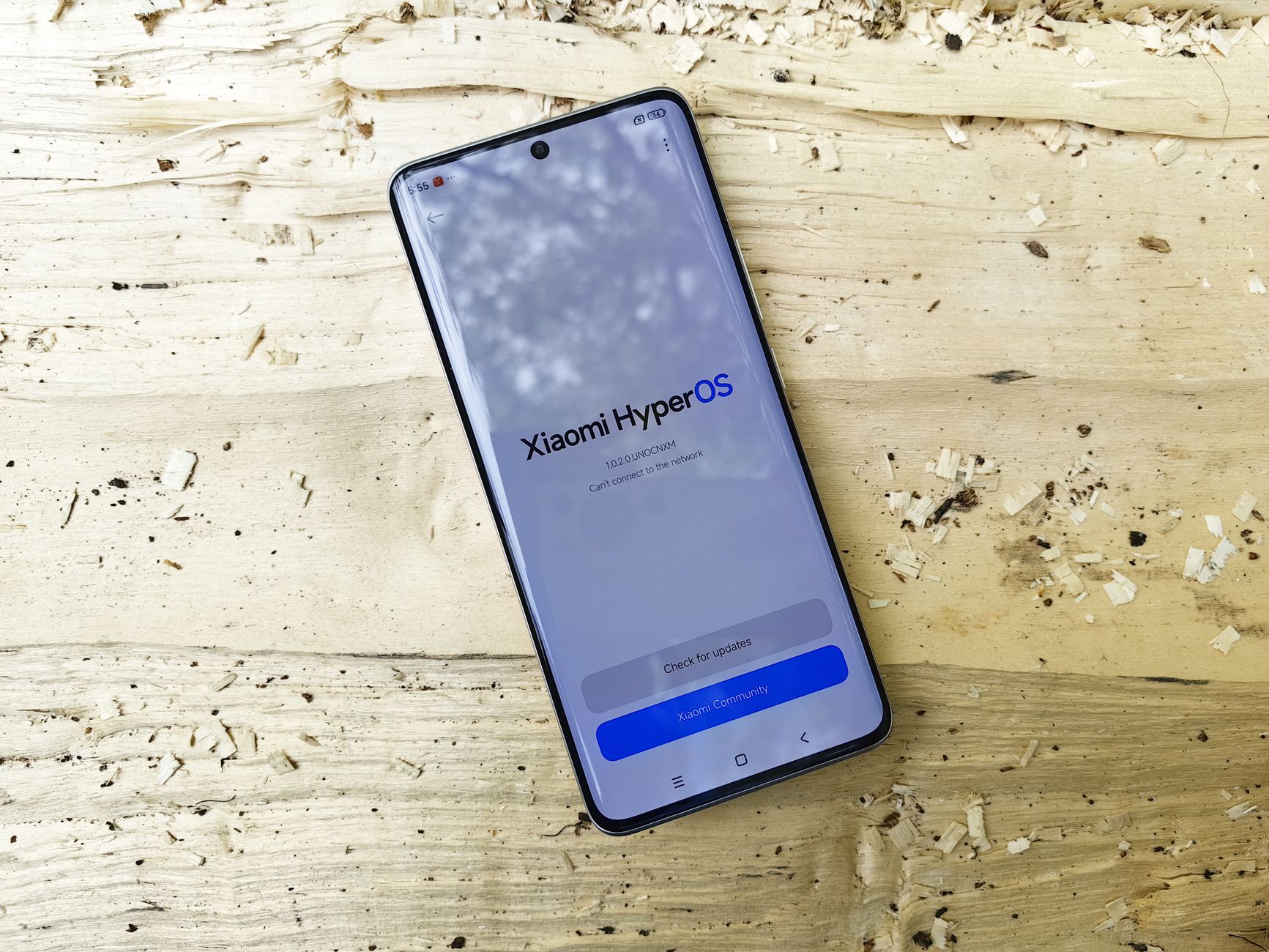
Photo by Andrey Matveev on Pexels
Xiaomi 18 Confirmed to Pack a Larger Battery — and That’s a Bigger Deal Than It Sounds
Xiaomi is preparing to pull the curtain back on its next flagship smartphone, the Xiaomi 18, and one of the most talked-about confirmations ahead of the official launch is surprisingly straightforward: the battery is getting bigger. While that might sound like a minor incremental upgrade, in the context of today’s hyper-competitive premium smartphone landscape, it carries significant weight — both literally and strategically.
The Xiaomi 18 is expected to arrive as one of the most powerful Android flagships of 2025, and the battery upgrade is just one piece of a broader hardware story that the Chinese tech giant is carefully building ahead of its announcement. For consumers, network operators, and industry watchers alike, the details matter.
Why Battery Capacity Is Back in the Spotlight
For a stretch of the early 2020s, battery capacity took a backseat to thinness, camera innovation, and display quality in flagship smartphone design. Manufacturers, including Xiaomi, were racing to squeeze ever-more capable hardware into increasingly slim form factors. But a clear shift is underway across the industry in 2025.
Consumers — particularly heavy mobile data users, gamers, and professionals who rely on 5G connectivity throughout the day — have made battery life a top purchase priority. According to multiple consumer research reports published over the last 18 months, battery longevity consistently ranks among the top three factors driving smartphone upgrade decisions globally, often outranking camera specs and processor benchmarks.
Xiaomi’s decision to formally confirm a larger battery ahead of launch is, in part, a marketing move designed to reassure its core audience. But it also reflects genuine engineering progress driven by advances in battery cell density and fast-charging technology.
5G’s Insatiable Appetite for Power
One cannot discuss smartphone battery evolution in 2025 without acknowledging the elephant in the room: 5G. Sub-6GHz and millimeter wave (mmWave) 5G connectivity, while delivering transformative speeds and low latency, remains notoriously power-hungry compared to its LTE predecessor. Modems running persistent 5G connections — particularly in standalone (SA) network configurations — place sustained demands on a device’s power budget that older battery designs simply weren’t built to handle.
This is precisely why flagship OEMs like Xiaomi, Samsung, and Apple have all been incrementally increasing battery capacities in their top-tier devices. The Xiaomi 18’s confirmed larger cell directly addresses user complaints about the Xiaomi 17’s endurance under heavy 5G workloads, where some users reported noticeable battery drain during extended video streaming or mobile gaming sessions over cellular networks.
What We Expect Under the Hood
While Xiaomi has not yet released the full battery specification in milliampere-hours (mAh), industry leakers and supply chain sources suggest the Xiaomi 18 could feature a battery in the range of 5,500 to 6,000 mAh — a meaningful jump over the Xiaomi 17’s capacity. If accurate, this would place the Xiaomi 18 among the top-tier flagships by raw battery volume in its class.
Crucially, a larger battery alone tells only part of the story. Xiaomi has been a consistent pioneer in fast-charging technology, and the Xiaomi 18 is widely expected to support charging speeds upward of 90W to 120W wired, alongside wireless and reverse wireless charging capabilities. When combined with Xiaomi’s HyperOS power management layer — which intelligently allocates resources based on usage patterns and network conditions — the real-world endurance improvements could be substantial.
The Role of Advanced Processors in Battery Efficiency
The Xiaomi 18 is anticipated to be powered by Qualcomm’s latest Snapdragon Elite-series chipset, which incorporates significant efficiency improvements at the silicon level. Modern SoCs (System-on-Chips) are engineered with dedicated AI processing units that offload tasks from the primary CPU and GPU clusters, reducing overall power consumption during common workloads like social media browsing, video calls, and navigation — all scenarios that frequently run simultaneously on a 5G connection.
This combination of a larger physical battery, a more efficient chipset, and intelligent software power management represents a convergence that could finally put the “5G battery drain” concern to rest for mainstream flagship users.
Market Implications and Competitive Pressure
Xiaomi’s global flagship ambitions have intensified considerably over the past two years. The brand has made notable inroads in Europe, Southeast Asia, and parts of Latin America, directly challenging Samsung’s Galaxy S series and increasingly nipping at Apple’s international market share in the premium tier.
A flagship device that can credibly claim superior battery performance while matching rivals on camera, display, and 5G connectivity could serve as a powerful differentiator in markets where consumers are less brand-loyal and more spec-conscious. Telecom operators and retail partners in these regions frequently cite battery life as the number one objection they hear from customers considering an upgrade — making the Xiaomi 18’s positioning particularly timely.
Industry Outlook: The Battery Arms Race Continues
The confirmation of a larger battery in the Xiaomi 18 is not an isolated event — it is part of a broader industry realignment. As 5G adoption matures globally and use cases like mobile AR, AI-powered applications, and cloud gaming demand ever more from handset hardware, battery engineering will remain a critical battleground for OEMs.
Solid-state battery technology, which promises dramatically higher energy density in a smaller footprint, continues to inch toward commercial viability for consumer smartphones, with some analysts projecting limited production models by 2026 or 2027. Until then, incremental improvements in lithium-ion cell density, combined with smarter power management and faster charging, will define the competitive landscape.
For Xiaomi, arriving at this moment with a flagship that takes battery performance seriously is both a statement of intent and a direct response to what consumers — and the networks they rely on — actually demand. The full Xiaomi 18 reveal cannot come soon enough.
