
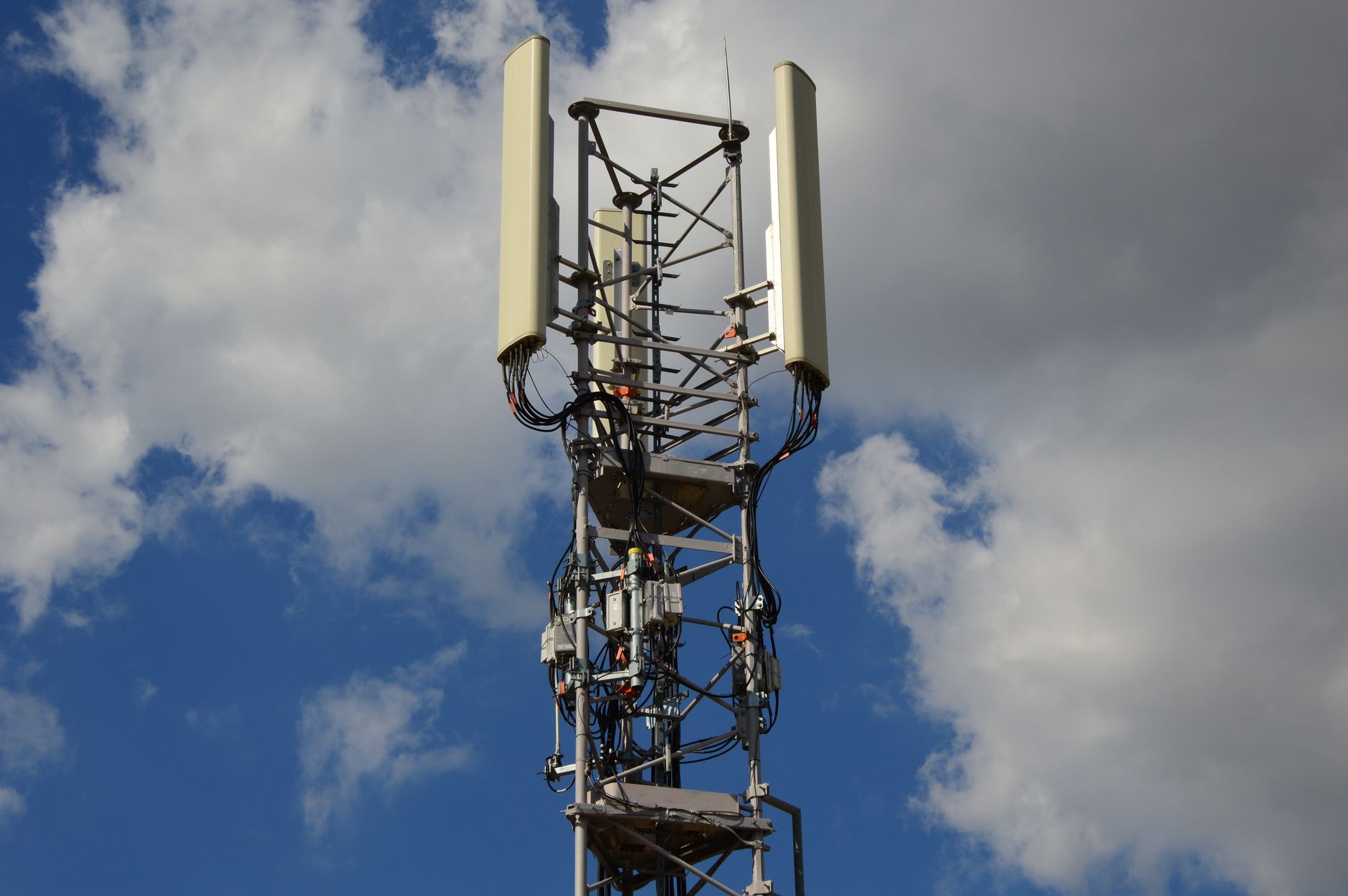
Photo by Ulrick Trappschuh on Pexels
Private 5G Is No Longer a Pilot Program — It’s a Business Reality
For years, private 5G networks occupied an intriguing but uncertain corner of the telecom landscape — promising in theory, but slow to achieve the kind of real-world scale that would justify the hype. That narrative is rapidly changing. Fresh data from the Global mobile Suppliers Association (GSA) paints an increasingly confident picture of an ecosystem that is not just growing, but accelerating — with verticals like financial services and aviation now joining manufacturing and logistics as early, committed adopters.
According to the GSA’s latest tracking figures, the number of private 5G network deployments worldwide continues to climb steadily quarter over quarter, with hundreds of confirmed commercial installations now active across more than 60 countries. The numbers reflect a maturation of both the technology and the business case — enterprises are no longer asking whether private 5G works; they’re asking how fast they can deploy it.
Samsung and Boldyn: Landmark Deployments Define the Moment
Two deployments in particular have captured industry attention and signal where private 5G is heading next. Samsung, long a dominant force in network infrastructure as well as consumer devices, has been expanding its enterprise 5G portfolio with purpose-built private network solutions targeting high-security, high-throughput environments. Its involvement in financial sector deployments is especially notable — an industry where data latency, security, and reliability aren’t just competitive advantages, they’re regulatory requirements.
Meanwhile, Boldyn Networks — the rebranded entity formerly known as the INDI infrastructure group and one of the world’s largest neutral host network operators — has been making waves with aviation-focused private 5G rollouts. Airports represent a uniquely demanding connectivity environment: high device density, a mix of operational technology (OT) and IT workloads, stringent safety protocols, and the need to support everything from baggage handling automation to real-time gate management and passenger services simultaneously.
Boldyn’s work in this space highlights a critical trend: the rise of the neutral host model for private 5G, where a third-party infrastructure provider builds, owns, and operates the network on behalf of the venue or enterprise. This approach significantly lowers the barrier to entry for organizations that want dedicated 5G performance without the complexity of becoming their own network operator.
Why Aviation and Finance Are Natural Fits for Private 5G
Both verticals share characteristics that make private 5G particularly compelling. In aviation, the operational requirements are immense — modern airports function as small cities, coordinating ground crews, logistics systems, retail operations, and passenger flow across sprawling physical footprints. Wi-Fi, while ubiquitous, struggles with the scale, interference, and handoff reliability needed for mission-critical applications. Private 5G, operating on dedicated licensed or CBRS spectrum, delivers the deterministic performance and security isolation that airport operators need.
In financial services, the calculus is slightly different but equally compelling. Trading floors, data centers, and back-office operations demand ultra-low latency and air-tight network security. A private 5G network, by definition, keeps traffic on-premises and off the public internet — a significant security advantage in an era of escalating cyber threats. Furthermore, the ability to implement network slicing allows financial institutions to prioritize specific application traffic with guaranteed quality of service (QoS) parameters.
Breaking Down the GSA Numbers
The GSA data reveals several important market dynamics worth noting for telecom professionals. Manufacturing remains the largest single vertical for private 5G by deployment count, driven by Industry 4.0 initiatives, autonomous guided vehicles (AGVs), and real-time quality control systems. However, the growth rate in newer verticals — including healthcare, ports, energy, and now prominently finance and aviation — suggests the technology is broadening its addressable market considerably.
Spectrum availability continues to be a key enabler. The proliferation of locally licensed and unlicensed mid-band spectrum — such as the CBRS band (3.5 GHz) in the United States, and various national licensing frameworks in Europe and Asia — has given enterprises and neutral hosts the spectrum access they need to build standalone private networks. The shift toward 5G Standalone (SA) architecture is also critical, as it unlocks native features like network slicing, ultra-reliable low-latency communications (URLLC), and edge computing integration that make private 5G genuinely differentiated from upgraded LTE solutions.
The Competitive Landscape Is Intensifying
Samsung and Boldyn are far from alone in this space. Ericsson, Nokia, Huawei, and a growing roster of specialized vendors including Celona, Druid Software, and Athonet are all competing aggressively for enterprise contracts. System integrators and hyperscalers — notably Microsoft with its Azure private MEC platform and AWS with Wavelength — are also embedding themselves into private 5G architectures, blurring the line between network infrastructure and cloud services.
This competitive intensity is ultimately good news for enterprise buyers, driving down costs, improving interoperability, and expanding the ecosystem of compatible devices and applications.
Outlook: Private 5G’s Next Chapter
The trajectory is clear. Private 5G is transitioning from an emerging technology into a foundational enterprise infrastructure layer. As 5G-capable devices proliferate, as Release 17 and Release 18 features make their way into commercial products, and as enterprises accumulate operational experience with these networks, the growth curve is likely to steepen further.
For telecom operators, the challenge — and opportunity — is defining their role in a market where enterprises increasingly have the option to go direct with vendors or through neutral hosts. Those operators who can offer compelling managed private network services, leverage their spectrum assets, and integrate private 5G with their public network capabilities will be best positioned to capture a significant share of what analysts at MarketsandMarkets project to be a global private 5G market exceeding $25 billion by 2028.
The numbers are in, and they tell a compelling story: private 5G has arrived — and it’s only getting started.
