
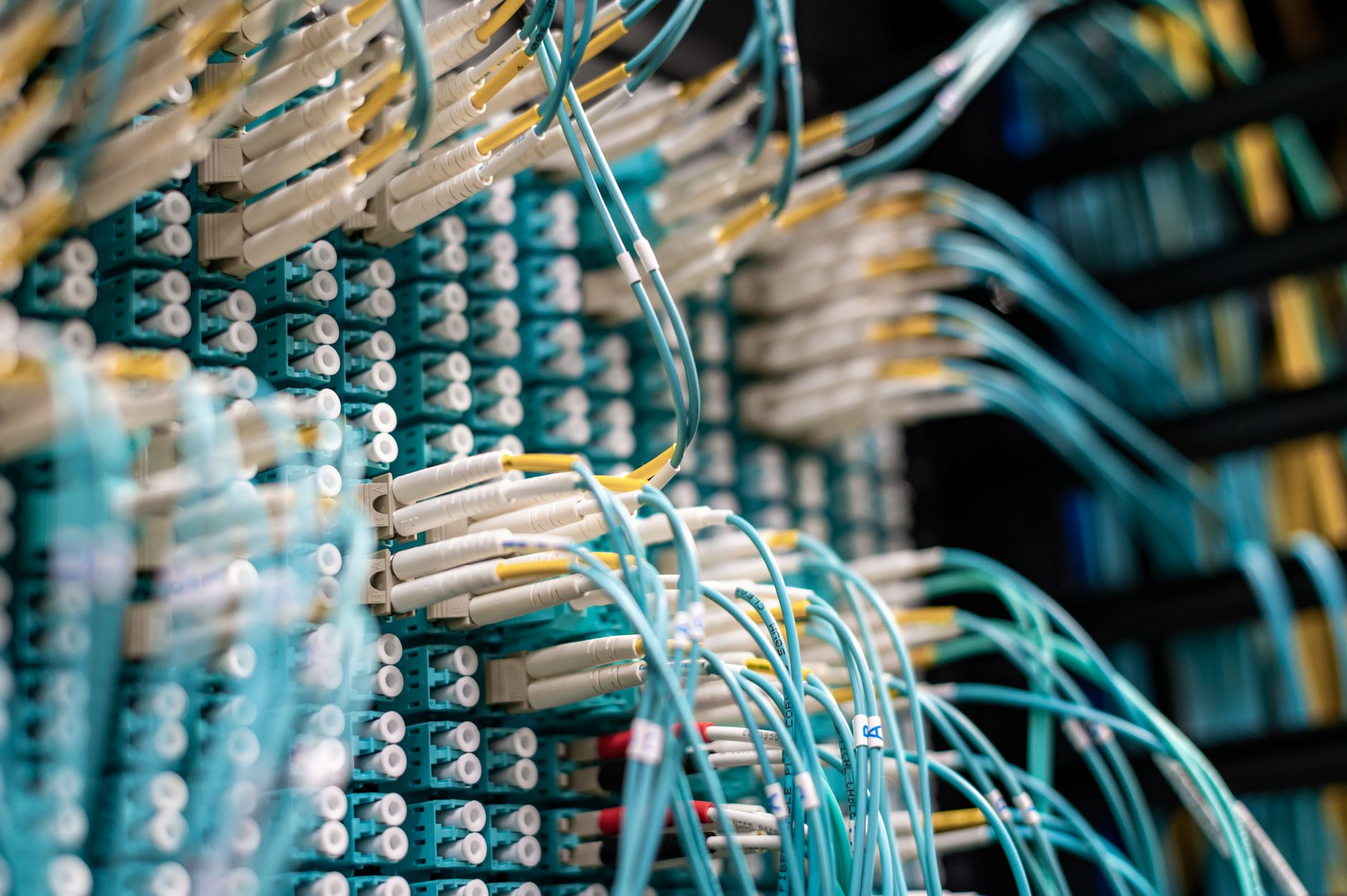
Photo by Brett Sayles on Pexels
Telecom’s AI Reckoning: Why Power Is the New Bottleneck
Artificial intelligence is no longer a future-facing concept for the telecommunications industry — it is here, it is operational, and it is hungry. As carriers and network operators integrate AI-driven automation, predictive analytics, and real-time decision-making into their infrastructure, one challenge has risen above the rest in urgency and complexity: powering it all. The RCRTech Roundtables have emerged as a critical forum where engineers, network architects, and operations executives come together not just to showcase solutions, but to honestly grapple with the problems they are still trying to solve.
The format itself is telling. Rather than polished keynote presentations, roundtable discussions invite candid exchange — a recognition that the telecom industry is collectively navigating uncharted territory when it comes to AI infrastructure demands. Attendees share real-world experiences, including failures, unexpected costs, and operational discoveries that rarely make it into vendor white papers.
The Scale of the Problem: Numbers That Demand Attention
To understand why these conversations matter, consider the scale of what AI workloads require. A single large language model training run can consume megawatt-hours of electricity comparable to hundreds of average American homes over an entire year. When that computational demand is distributed across edge nodes, regional data centers, and centralized cloud infrastructure — all of which telecom operators are increasingly responsible for managing — the power equation becomes staggering.
According to research from the International Energy Agency, data centers globally consumed approximately 460 terawatt-hours of electricity in 2022, a figure projected to more than double by the end of the decade as AI workloads accelerate. For telecom operators running or co-locating within these facilities, capital expenditure on power infrastructure is now competing directly with spectrum acquisition and network densification for budget priority.
Edge Computing Adds Complexity
The challenge is compounded by the industry’s push toward edge computing. Distributing AI inference capabilities closer to the end user — a strategy essential for low-latency applications like autonomous vehicles, industrial IoT, and augmented reality — means deploying compute hardware in environments never designed for it. Cell towers, street cabinets, and small cell nodes were engineered for radio equipment, not GPU clusters. Retrofitting these locations with adequate power delivery, thermal management, and backup systems is a significant engineering and logistical challenge that roundtable participants are actively working through in real deployments.
Energy Efficiency: From Buzzword to Engineering Discipline
What makes the current moment particularly interesting is the maturation of energy efficiency from a corporate responsibility talking point into a hard engineering discipline. Power Usage Effectiveness (PUE) — the ratio of total data center energy consumption to IT equipment energy — has been a benchmark metric for years. But AI-era infrastructure demands more granular optimization frameworks.
Liquid cooling technologies, once considered exotic, are rapidly becoming standard considerations for high-density AI compute deployments. Direct-to-chip liquid cooling and immersion cooling systems can dramatically reduce the energy overhead associated with thermal management, which can account for 30 to 40 percent of total data center power consumption in air-cooled environments. Vendors including Vertiv, Schneider Electric, and a growing ecosystem of startups are racing to deliver solutions at telecom-grade scale and reliability.
Software-Defined Power Management
On the software side, AI is increasingly being used to manage AI infrastructure — a recursive dynamic that is both ironic and genuinely promising. Intelligent power management systems can dynamically allocate compute resources based on workload priority, shifting non-latency-sensitive tasks to off-peak hours and reducing demand charges. For telecom operators running 24/7 network operations, these capabilities offer meaningful operational savings while also reducing grid stress during peak periods.
Grid Resilience and Renewable Integration
Beyond efficiency, reliability remains paramount for telecommunications infrastructure. The industry operates to five-nines (99.999 percent) uptime standards in many contexts, and AI infrastructure must meet these same expectations. This requirement shapes how telecom companies approach grid interconnection, backup power, and renewable energy sourcing in ways that are distinct from, say, a cloud hyperscaler whose workloads can tolerate brief interruptions.
Discussions at industry roundtables frequently surface the tension between renewable energy commitments — which most major carriers have made publicly — and the practical reliability requirements of network operations. Solar and wind generation are inherently intermittent. Bridging this gap requires investment in battery energy storage systems (BESS), on-site generation, and sophisticated grid management strategies. The economics and engineering of this balancing act are far from settled.
Industry Outlook: Collaboration Over Competition
Perhaps the most significant takeaway from the roundtable format is the emerging recognition that AI infrastructure challenges are too complex and too consequential for any single operator or vendor to solve in isolation. Standards bodies, industry consortia, and open-source initiatives are gaining momentum as the preferred vehicle for establishing common frameworks — whether for power efficiency metrics, cooling architecture interoperability, or AI workload benchmarking.
For telecom professionals, the message is clear: AI infrastructure is not a future investment category. It is an immediate operational reality requiring attention today. Those organizations that invest now in understanding the power, thermal, and grid dynamics of AI deployment — and that engage actively in peer knowledge exchange through forums like RCRTech Roundtables — will be far better positioned to lead as the industry’s AI dependency deepens over the coming decade.
The conversations happening in these rooms are not just about managing costs. They are about defining what reliable, sustainable, and intelligent telecommunications infrastructure looks like in the age of AI — and making sure the industry gets there together.
