
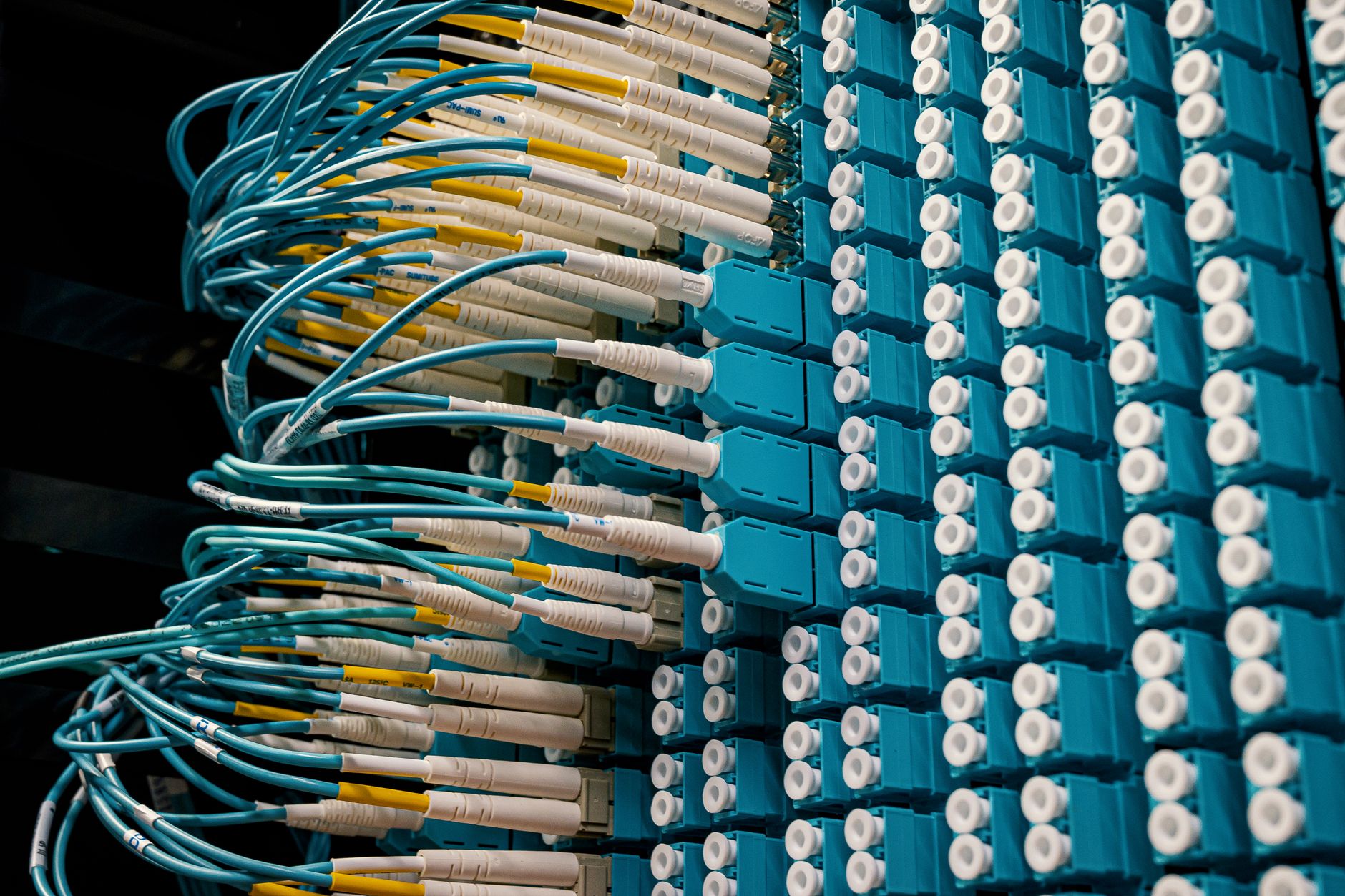
Photo by Brett Sayles on Pexels
Virgin Media O2 Charts a Leaner Future Amid Financial Headwinds
Virgin Media O2 (VMO2), the joint venture formed in 2021 between Liberty Global and Telefónica, is undertaking one of the most significant strategic resets in its short history. The operator has announced plans to slash £800 million from its annual operating costs by 2029 — a target that will reshape its workforce, infrastructure ambitions, and competitive posture in one of Europe’s most contested broadband and mobile markets.
The cost-reduction programme, which insiders describe as far-reaching and structurally transformative, is a direct response to a confluence of financial pressures: falling revenues, accelerating subscriber losses, and the increasingly punishing economics of deploying full-fibre infrastructure at scale. For an industry watching closely, VMO2’s pivot raises uncomfortable questions about the long-term viability of vertically integrated network operators in a market being disrupted from multiple directions.
The Numbers Behind the Strategy
VMO2’s financial trajectory has grown increasingly challenging since the merger was completed. The operator has faced persistent broadband subscriber erosion as competitors — ranging from BT’s Openreach-powered ISPs to a growing army of alternative network providers (altnets) — chip away at its fixed-line base. On the mobile side, intense price competition in the UK market has compressed average revenue per user (ARPU), leaving little room for organic growth.
The £800 million annual savings target is not a one-time restructuring charge but rather a sustained reduction in the company’s operational cost base, to be achieved incrementally through 2029. Workforce reductions are expected to constitute a meaningful portion of these savings, though the company has not yet publicly confirmed the precise number of roles at risk. Industry analysts estimate job losses could run into the thousands across network operations, customer services, and back-office functions.
Fibre Expansion: Ambition Meets Economic Reality
Perhaps the most strategically significant element of VMO2’s reset is what may happen to its fibre expansion plans. The company had been progressing a network upgrade programme — in part through its nexfibre joint venture with Infravia — to extend full-fibre connectivity beyond its legacy coaxial HFC (Hybrid Fibre-Coaxial) footprint to reach approximately 7 million additional premises by 2028.
However, the economics of greenfield fibre rollout have deteriorated markedly across the UK. Rising construction costs, labour shortages, permitting delays, and — critically — a slower-than-expected consumer take-up rate have forced multiple operators to recalibrate. Altnets including CityFibre, Hyperoptic, and Netomnia have all pulled back their build targets or sought emergency financing in recent months, signalling systemic stress across the altnet ecosystem.
VMO2’s potential retreat from aggressive fibre expansion reflects this broader industry reckoning. The operator must weigh the long-term competitive necessity of an all-fibre network against the near-term cash flow discipline demanded by its parent companies. DOCSIS 3.1 and the emerging DOCSIS 4.0 standard — capable of delivering multi-gigabit symmetrical speeds over existing coaxial plant — may provide a more cost-effective bridge strategy, buying VMO2 time without the full capital commitment of a fibre overbuild.
DOCSIS 4.0 as a Tactical Lifeline
DOCSIS 4.0, using either Extended Spectrum DOCSIS (ESD) or Full Duplex DOCSIS (FDX) techniques, can theoretically deliver up to 10 Gbps downstream and 6 Gbps upstream over upgraded HFC networks. For VMO2, which operates one of the UK’s largest legacy cable plant networks, leaning into DOCSIS 4.0 upgrades rather than wholesale fibre replacement could represent a significant capital expenditure reprieve — potentially saving billions over the medium term while maintaining competitive broadband speeds.
Mobile and 5G: Holding the Line
On the wireless side, VMO2 operates the UK’s second-largest mobile network with approximately 46 million connections. Its 5G rollout has been progressing steadily, with mid-band spectrum holdings in the 3.6 GHz band forming the backbone of its next-generation mobile strategy. However, monetising 5G remains an industry-wide challenge, with consumer willingness to pay a premium for 5G services proving stubbornly limited.
The cost-cutting programme is unlikely to significantly impair 5G network investment — mobile infrastructure remains a core competitive asset — but operational efficiencies in network management, potentially accelerated by AI-driven automation tools, are expected to contribute meaningfully to the savings target.
Industry Implications: A Canary in the Coalmine?
VMO2’s restructuring is not occurring in isolation. Across Europe, incumbent operators and cable giants are facing structurally similar challenges: revenue stagnation, rising network investment requirements, and competitive pressure from both over-the-top players and new infrastructure entrants. BT Group has itself announced significant job reductions tied partly to network modernisation and AI integration, while Deutsche Telekom and Orange have flagged similar cost discipline imperatives.
What makes VMO2’s situation particularly instructive is the dual exposure to both fixed and mobile market pressures simultaneously, without the balance sheet depth of a larger standalone operator to absorb the strain.
For telecom investors, regulators, and policymakers, the VMO2 situation underscores a critical tension at the heart of UK broadband policy: the goal of near-universal gigabit connectivity by the late 2020s depends on private capital flowing into network builds at precisely the moment operators are most financially stressed. If major players like VMO2 pull back, the gap between political ambition and commercial reality will only widen — and consumers in underserved areas may ultimately pay the price.
Looking Ahead
VMO2 is expected to provide further detail on its transformation programme in upcoming earnings calls and investor briefings. The telecom industry will be watching closely — not just for what it means for one of the UK’s largest operators, but for the broader signal it sends about the sustainability of the current broadband investment model across Europe.
