
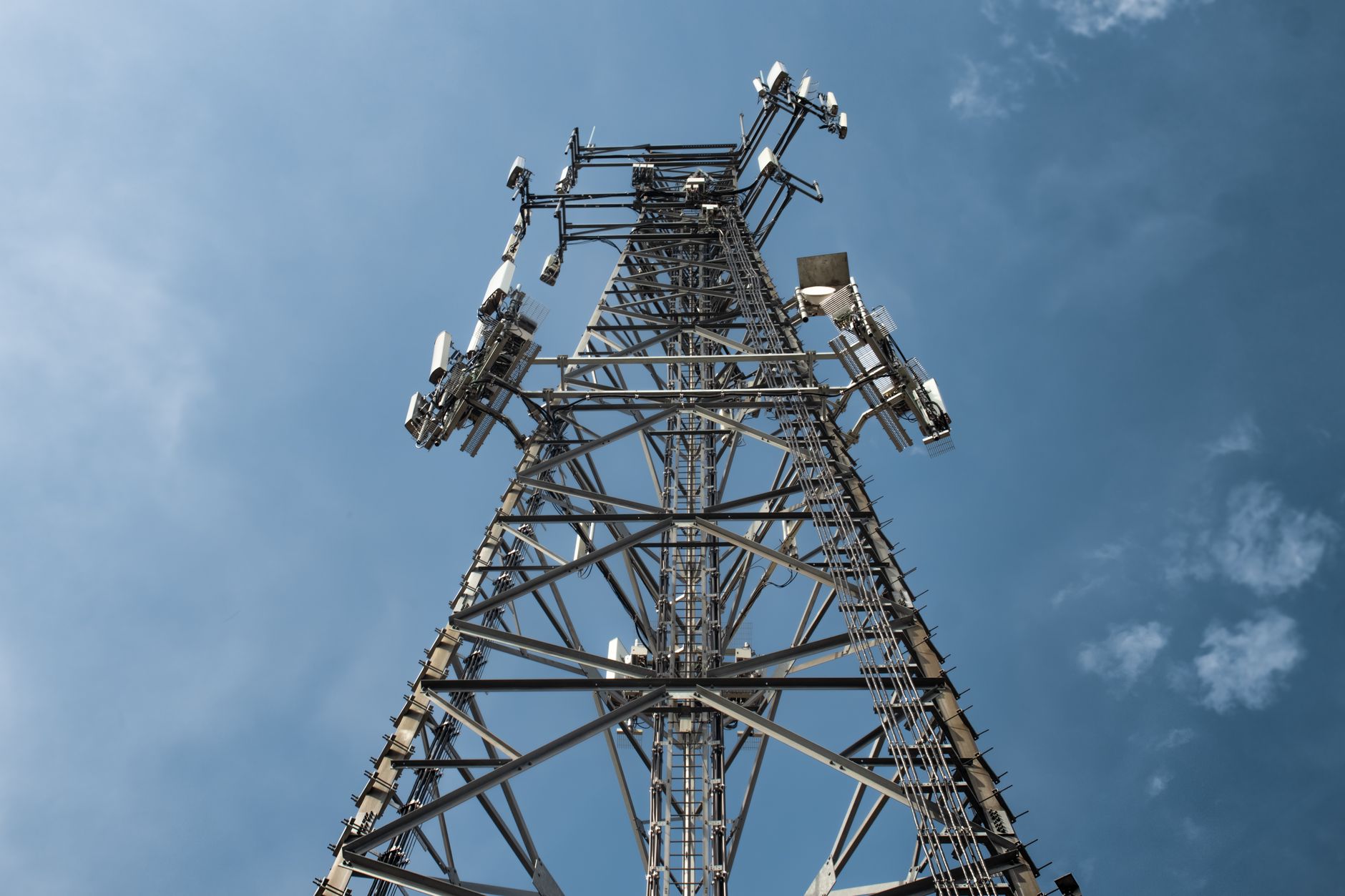
Photo by Edouard Matte on Pexels
The battle over the upper 6 GHz band — spanning 6.425 GHz to 7.125 GHz — is intensifying, and the stakes couldn’t be higher. On one side, the Wi-Fi ecosystem argues it needs the spectrum to fuel the next generation of unlicensed connectivity. On the other, the GSMA and its mobile operator members are making an increasingly sophisticated argument: Wi-Fi doesn’t need more spectrum nearly as badly as mobile networks do. The question is whether the data backs that claim up.
The GSMA’s Core Argument: It’s About Devices, Not Spectrum
The crux of the GSMA’s position centers on a counterintuitive claim — that Wi-Fi’s capacity problem is fundamentally a device upgrade cycle problem, not a spectrum availability problem. The organization points out that Wi-Fi 6E, which already unlocks the lower portion of the 6 GHz band in many markets, has seen sluggish adoption. As of recent estimates, Wi-Fi 6E-capable devices represent a relatively small fraction of the total installed base of wireless endpoints globally.
The argument follows a logical thread: if billions of devices cannot yet exploit the spectrum already allocated to unlicensed use, adding more unlicensed spectrum in the upper 6 GHz band delivers marginal real-world benefit in the near term. Meanwhile, licensed mobile spectrum — which powers 5G networks serving everything from smartphones to IoT infrastructure — faces demonstrable, measurable congestion in dense urban environments.
GSMA studies have pointed to city-level traffic data showing that mobile networks in major metropolitan areas are operating at or near capacity during peak hours, with operators struggling to offload data fast enough to meet consumer demand. The organization argues that allocating the upper 6 GHz band for IMT (International Mobile Telecommunications) use would provide a meaningful, immediately deployable solution to a genuine infrastructure bottleneck.
What the City-Wide Data Actually Shows
Yet the GSMA’s city-level analysis has not gone unchallenged. Critics within the Wi-Fi and unlicensed spectrum communities argue that aggregated urban data masks critical nuance. Much of mobile network congestion, they contend, occurs indoors — in offices, shopping centers, stadiums, and dense residential buildings — precisely the environments where Wi-Fi and small cells are the most efficient and cost-effective solutions.
There’s also the question of what “mobile priority” would actually look like in regulatory terms. Unlike the lower 6 GHz band, where many regulators — including the FCC in the United States — have already allocated spectrum for unlicensed use, the upper segment remains a live debate at bodies like the International Telecommunication Union (ITU) and regional regulators in Europe, Asia-Pacific, and Latin America. The World Radiocommunication Conference 2023 (WRC-23) made progress on IMT identification for portions of the band, but global harmonization remains elusive.
If the upper 6 GHz is carved up differently across regions, operators and device manufacturers face a familiar fragmentation headache — one that could undermine the very efficiency gains the GSMA is promising.
Technical Realities: Why Upper 6 GHz Matters for 5G Advanced and Beyond
From a purely technical standpoint, the upper 6 GHz band occupies a uniquely attractive position in the spectrum landscape. At frequencies above 6 GHz, propagation characteristics begin to shift — coverage areas shrink compared to sub-3 GHz bands, but the available bandwidth expands dramatically. For 5G Advanced and the early foundations of 6G, large contiguous blocks of mid-band spectrum are considered essential for delivering the multi-gigabit throughput and ultra-low latency that next-generation applications demand.
Operators are specifically eyeing the upper 6 GHz band’s potential to support 100 MHz or even 200 MHz channel bandwidths under NR (New Radio) specifications — a significant step up from the congested sub-6 GHz bands where 40 MHz to 80 MHz channels are common. For use cases like Fixed Wireless Access (FWA), private 5G networks, and eventually connected vehicle applications, this additional bandwidth headroom is more than a luxury — it’s an operational necessity.
The Wi-Fi 7 Counterpoint
Wi-Fi advocates aren’t standing still either. Wi-Fi 7 (IEEE 802.11be), which supports 320 MHz channel widths and multi-link operation, is beginning to reach commercial devices in 2024 and 2025. Proponents argue that as Wi-Fi 7 adoption scales, demand for upper 6 GHz unlicensed spectrum will surge — and that pre-emptively allocating it to mobile use would create a long-term capacity ceiling for enterprise and residential broadband that no amount of licensed spectrum can compensate for.
The Regulatory Tightrope
For regulators, this is a genuinely difficult call. Both mobile and Wi-Fi represent critical infrastructure, and both industries are backed by powerful lobbying coalitions with legitimate technical arguments. Some analysts have floated hybrid approaches — shared spectrum frameworks or geographic segmentation — but these solutions introduce their own complexity and interference management challenges.
The coming 18 to 24 months will be decisive. National regulators in Europe and Asia are expected to finalize their upper 6 GHz positions, and their decisions will ripple through global equipment supply chains and network planning cycles for years.
Industry Outlook
What’s clear is that the upper 6 GHz debate is no longer a technical footnote — it’s a strategic battleground that will shape the competitive dynamics between mobile operators and the Wi-Fi ecosystem well into the 5G Advanced era. The GSMA’s device-cycle argument is compelling on the surface, but it will need more granular, location-specific data to fully persuade skeptical regulators. Whichever way the spectrum allocations fall, the industry should prepare for a world where 6 GHz is the most contested real estate in wireless — and the decisions made today will define connectivity for the next decade.
