
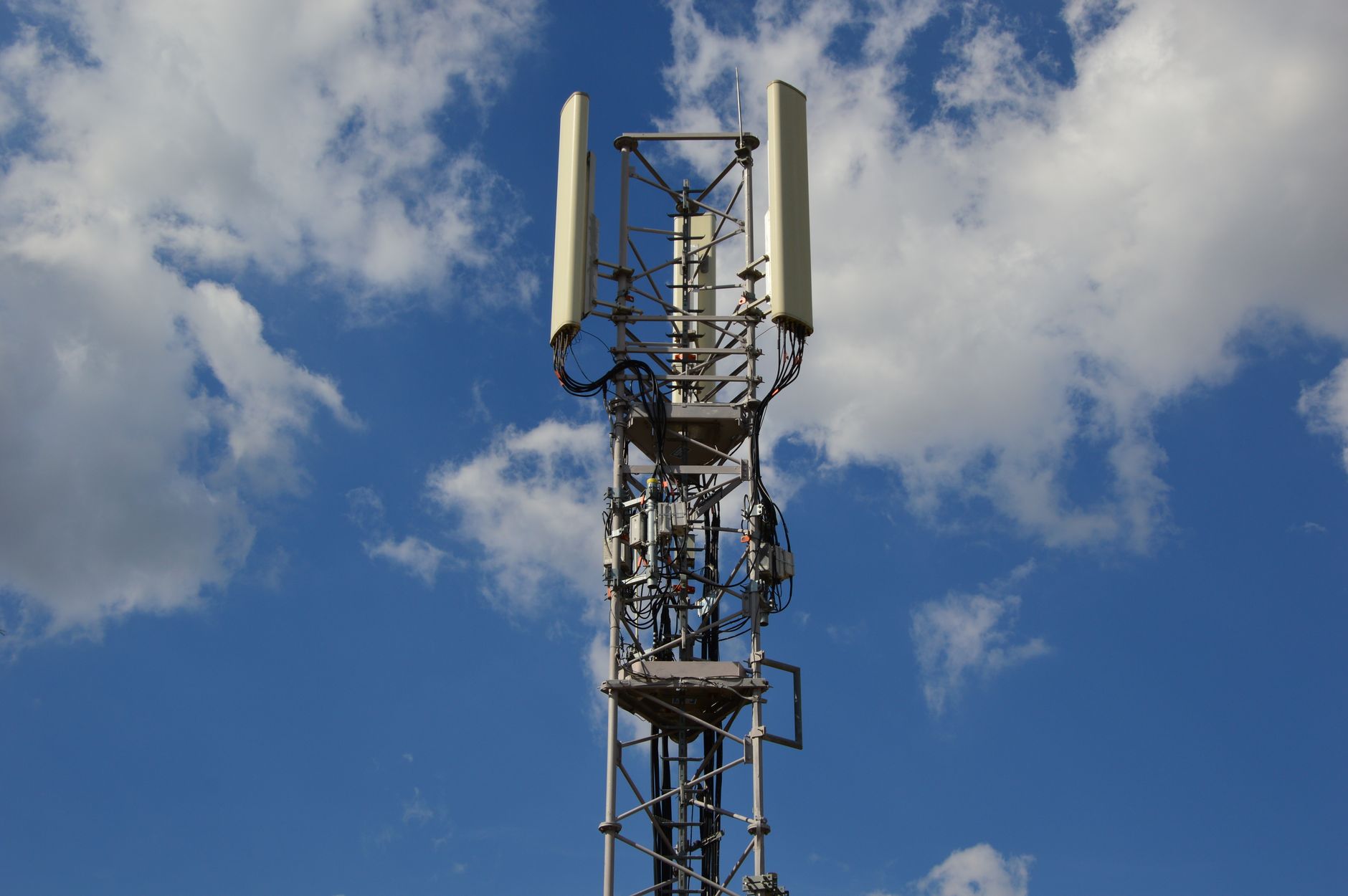
Photo by Ulrick Trappschuh on Pexels
SpaceX and Qualcomm Join Forces to Reshape the 5G Landscape
In what could be one of the most consequential partnerships in recent telecom history, SpaceX has tapped Qualcomm to supply the core radio and baseband technologies powering its planned Starlink terrestrial 5G network in the United States. With a deployment window targeting 2027, the alliance brings together the world’s most high-profile rocket and satellite company with the semiconductor giant that has quietly underpinned mobile connectivity for decades. The move is sending shockwaves through an industry already rattled by rapid consolidation, Open RAN momentum, and the looming pressure of spectrum scarcity.
While SpaceX has long dominated headlines for its low-Earth orbit (LEO) satellite broadband service, the company’s ambitions have clearly expanded beyond the stratosphere. A ground-based 5G network — integrated with and complementary to its satellite constellation — would position Starlink as a full-stack connectivity provider, capable of delivering seamless coverage from space to street level. That’s a prospect that should concern legacy carriers and new entrants alike.
What Qualcomm Brings to the Table
Qualcomm’s selection as the technology supplier is significant on multiple levels. The San Diego-based chipmaker is widely regarded as the industry’s foremost authority on cellular baseband processing, with its Snapdragon and FSM (Fixed and Small Cell) modem-RF platforms already embedded in a vast swath of global 5G infrastructure and devices. For a greenfield network like Starlink’s, Qualcomm’s ability to deliver tightly integrated radio frequency (RF) front-end components, baseband chipsets, and software-defined radio capabilities represents a compelling turnkey proposition.
Qualcomm’s infrastructure-side portfolio — including its X100 5G RAN platform — offers support for both sub-6 GHz and millimeter wave (mmWave) frequency bands, flexible deployment topologies, and compatibility with cloud-native network architectures. For SpaceX, which is known for its vertically integrated engineering culture, Qualcomm’s modular, high-performance silicon could serve as the foundation for a highly customized — and potentially disruptive — 5G air interface.
Spectrum Strategy Remains a Key Variable
One of the most closely watched aspects of SpaceX’s terrestrial 5G plans is spectrum access. The company currently holds licenses in various bands through its acquisition and FCC activity, but building a nationwide 5G network requires substantial licensed spectrum across multiple tiers. Industry analysts have flagged mid-band spectrum — the sweet spot for 5G coverage and capacity — as a critical question mark. Whether SpaceX pursues additional spectrum acquisitions, leasing arrangements with existing holders, or leverages its satellite spectrum assets in novel ways will shape just how competitive its terrestrial offering can become.
Some observers speculate that Starlink’s hybrid satellite-terrestrial architecture could allow it to offload traffic dynamically between LEO satellites and ground-based 5G cells, creating a mesh-like resilience that traditional operators cannot easily replicate. If executed successfully, that kind of seamless handoff would be a genuine technical milestone — and a marketing juggernaut.
The Open RAN Question Looms Large
Perhaps the most intriguing subplot in this story is what the Qualcomm deal means for Open RAN. The telecom industry has spent the better part of five years evangelizing disaggregated, open-interface radio access networks as the antidote to vendor lock-in and the pathway to greater innovation. Analysts watching the SpaceX-Qualcomm announcement are asking a pointed question: does a tightly coupled, Qualcomm-centric buildout leave room for Open RAN principles, or does it signal a preference for proprietary integration over interoperability?
On one hand, Qualcomm has been a vocal supporter of the O-RAN Alliance and has invested in making its platforms compatible with open fronthaul and interface standards. The company’s RAN infrastructure chips have appeared in Open RAN deployments from vendors including Fujitsu and others. On the other hand, a startup-minded operator like SpaceX may prioritize speed-to-market and performance optimization over the philosophical commitments of open architecture — at least in the initial rollout phase.
Could This Accelerate Vendor Ecosystem Opportunities?
Ironically, SpaceX’s entry as a facilities-based 5G operator could ultimately benefit the broader Open RAN ecosystem. As a new entrant unburdened by legacy infrastructure, Starlink’s network would be built entirely on modern, software-defined principles. If Qualcomm’s platforms serve as the radio layer, there is still substantial opportunity for cloud-native core vendors, RAN intelligent controller (RIC) developers, and systems integrators to participate in what would be a high-visibility, technically sophisticated deployment.
Companies like Ericsson, Nokia, and Samsung — the traditional RAN heavyweights — will be watching closely. A successful Qualcomm-powered Starlink network could accelerate the semiconductor company’s ambitions as a full RAN vendor, blurring the lines between chipmaker and infrastructure OEM in ways the industry has not fully reckoned with yet.
Industry Outlook: Disruption on Two Fronts
SpaceX’s entry into terrestrial 5G is not merely a business story — it’s a signal of where the connectivity industry is heading. The convergence of satellite and cellular, the rise of vertically integrated tech giants in telecom infrastructure, and the ongoing democratization of RAN technology through silicon commoditization are reshaping competitive dynamics at an accelerating pace.
For incumbents like AT&T, Verizon, and T-Mobile, the prospect of a well-capitalized, tech-native competitor with both a satellite constellation and a ground-based 5G network is a scenario that demands strategic attention. For equipment vendors, the message is equally clear: the walls between chipmakers, network operators, and technology platforms are crumbling fast.
With 2027 as the stated deployment horizon, the industry has a few years to watch, adapt, and prepare. But if SpaceX’s track record in aerospace is any guide, underestimating the company’s ability to execute — and to do so faster than anyone expects — would be a costly mistake.
