
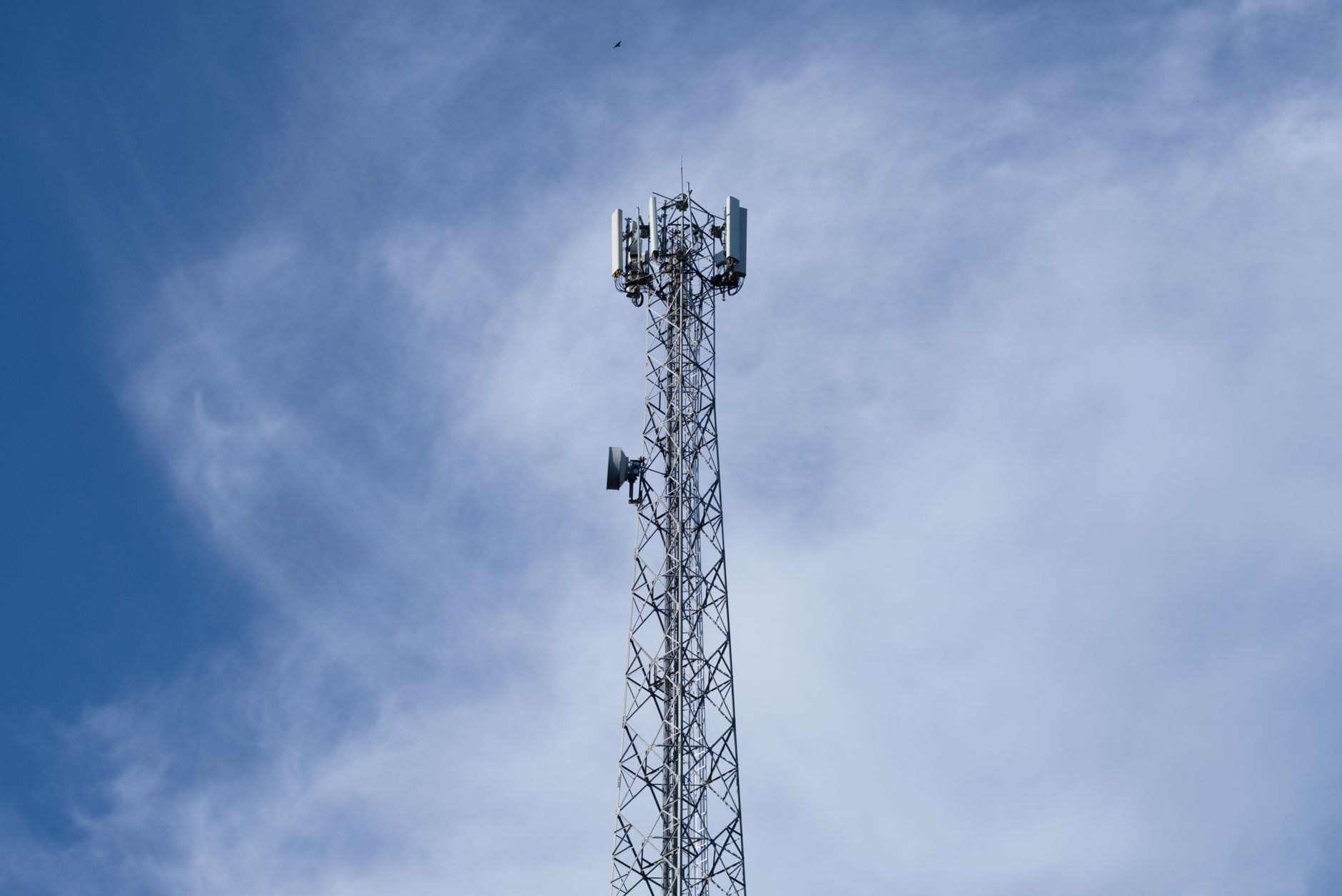
Photo by Qeis Ismail on Pexels
Nokia Signals AI-RAN Is Ready for Prime Time as Network Business Accelerates
Nokia is doubling down on artificial intelligence as a core pillar of its radio access network strategy, with CEO Justin Hotard telling investors that AI-RAN is rapidly closing the gap between proof-of-concept and full commercial deployment. The announcement comes on the heels of a 10% growth surge in Nokia’s radio network business — a signal that carrier spending on next-generation infrastructure is rebounding with renewed momentum and strategic direction.
Hotard’s comments, made during a recent investor call, underscore a broader transformation underway at Nokia as the company sharpens its focus on high-growth technology segments and moves away from a sprawling, unfocused portfolio. The message to investors was clear: Nokia is betting big on AI as the defining technology of the next wireless era — and it believes it’s ahead of the curve.
What Is AI-RAN and Why Does It Matter?
AI-RAN, or Artificial Intelligence Radio Access Network, represents the convergence of advanced machine learning with the physical radio infrastructure that powers wireless connectivity. Unlike traditional RAN systems that rely on static configurations and rule-based optimization, AI-RAN uses real-time data processing and neural network models to dynamically manage spectrum allocation, beamforming, interference mitigation, and energy consumption.
The commercial implications are significant. Mobile network operators are under intense pressure to do more with less — delivering higher throughput and lower latency across denser, more heterogeneous network environments while simultaneously cutting operational expenditures. AI-RAN directly addresses this challenge by enabling networks to essentially “learn” from traffic patterns, anticipate demand, and self-optimize without constant human intervention.
Energy Efficiency: A Key Driver for Operator Adoption
One of the most compelling use cases for AI-RAN is energy optimization. Radio access networks account for roughly 70–80% of a mobile operator’s total energy consumption, making it a prime target for intelligent automation. Nokia has demonstrated in field trials that AI-driven power management can reduce base station energy usage by up to 30% during low-traffic periods — a figure that translates to substantial cost savings and meaningful progress toward sustainability targets that regulators and shareholders increasingly demand.
As electricity costs remain elevated across Europe and North America, the financial case for AI-RAN adoption is becoming harder for operators to ignore. The technology essentially pays for part of its own deployment by reducing the operational overhead that consumes a disproportionate share of carrier budgets.
10% Radio Network Growth: Reading the Market Signal
The 10% growth figure in Nokia’s radio business is more than a quarterly metric — it’s a bellwether for the broader RAN market. After a period of significant slowdown in 5G capital expenditure, particularly in North America where major carriers front-loaded their mid-band deployments, the uptick suggests a new phase of network investment is beginning to take shape.
This second wave of 5G buildout is less about geographic coverage and more about network densification, performance optimization, and advanced feature deployment — precisely the territory where AI-RAN adds its most tangible value. Analysts at Dell’Oro Group and Omdia have similarly flagged signs of RAN market recovery heading into 2025 and 2026, with AI-integrated solutions expected to command an increasing share of new infrastructure contracts.
Nokia vs. Ericsson and Emerging Open RAN Competition
Nokia’s AI-RAN push is unfolding against a competitive backdrop that includes rival Ericsson — which has its own AI-native network ambitions under its “Networks of the Future” strategy — as well as a growing ecosystem of Open RAN vendors led by companies like Mavenir, Rakuten Symphony, and Fujitsu. The Open RAN movement has introduced greater disaggregation into the RAN stack, theoretically lowering barriers for AI integration at the software layer.
However, Nokia and Ericsson maintain significant advantages in scale, installed base relationships, and the depth of their AI model training datasets, which are derived from years of real-world network telemetry. Building effective AI-RAN models requires massive amounts of labeled network data — something legacy vendors have in abundance and newer entrants are still accumulating.
Nokia has also been strategic in cultivating partnerships with cloud hyperscalers. Its collaboration with Microsoft Azure to run AI inferencing workloads closer to the network edge is a notable example of how the company is bridging the gap between telecom infrastructure and cloud-native AI platforms.
The Road to Commercial Deployment
While Hotard’s remarks suggest commercial readiness is imminent, industry observers note that large-scale AI-RAN deployments will likely follow a phased approach. Early commercial rollouts are expected to focus on specific use cases — energy savings, interference management, and predictive maintenance — before expanding to full AI-native network control planes.
Standardization efforts through 3GPP and the O-RAN Alliance are also critical milestones. The O-RAN Alliance’s work on the near-real-time RAN Intelligent Controller (near-RT RIC) and xApps framework provides the architectural scaffolding that AI-RAN applications depend on, and industry alignment around these specifications will accelerate vendor-agnostic deployments at scale.
Industry Outlook: AI-RAN as the New Baseline
What Nokia’s announcements collectively suggest is that AI is transitioning from a differentiator to an expectation in radio network infrastructure. As carriers negotiate their next generation of vendor contracts and plan their 5G Advanced and eventual 6G roadmaps, AI-native capabilities will increasingly be a baseline requirement rather than an optional add-on.
For Nokia, successfully commercializing AI-RAN at scale would validate years of R&D investment and cement its position as a technology leader at a critical inflection point in the wireless industry. For the broader telecom ecosystem, it represents a fundamental shift in how networks are built, managed, and monetized — one where the intelligence embedded in the infrastructure may ultimately matter as much as the hardware itself.
