
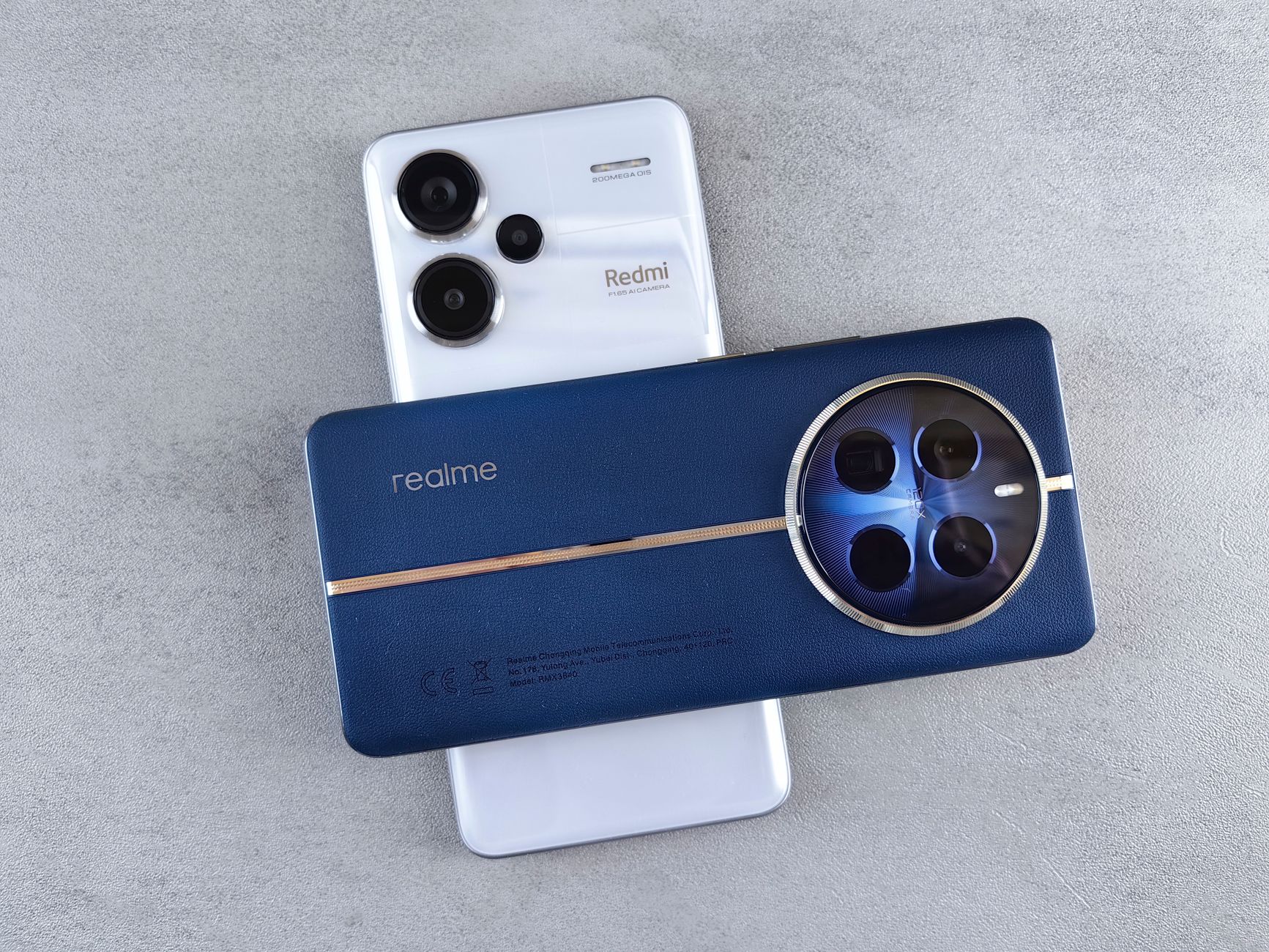
Photo by Andrey Matveev on Pexels
Vivo Doubles Down on Its X300 Ambitions with the New X300e
Vivo is no stranger to aggressive product cadences, but the launch of the X300e in China marks another bold statement from one of Asia’s most competitive smartphone manufacturers. Arriving hot on the heels of its X300 series siblings, the X300e positions itself as a refined, performance-oriented flagship designed to capture the growing appetite for premium 5G handsets in the world’s largest smartphone market.
At the heart of the X300e sits Qualcomm’s Snapdragon 8 Gen 5 — the latest evolution in Qualcomm’s elite mobile silicon lineup — signaling that Vivo is not just iterating, but aggressively competing for benchmark supremacy and real-world performance leadership in a crowded field that includes Xiaomi, OPPO, and the ever-present Huawei.
Snapdragon 8 Gen 5: The Engine Redefining 5G Flagship Performance
Qualcomm’s Snapdragon 8 Gen 5 represents a significant leap over its predecessors in both raw computational power and AI processing capabilities. Built on an advanced process node, the chipset is engineered to handle the increasingly complex demands of modern 5G connectivity, including support for Sub-6GHz and mmWave bands, enhanced carrier aggregation, and improved modem efficiency that directly impacts real-world throughput and battery performance.
For telecom professionals and network operators, the Snapdragon 8 Gen 5’s integrated X85 modem (or its next-generation equivalent) is particularly noteworthy. It supports multi-gigabit 5G speeds, advanced MIMO configurations, and improved network slicing compatibility — features that align closely with the continued rollout of 5G SA (Standalone) infrastructure across China by carriers like China Mobile, China Unicom, and China Telecom.
AI and On-Device Processing Take Center Stage
Beyond raw connectivity, the Snapdragon 8 Gen 5 brings substantial gains in on-device AI performance, measured in trillions of operations per second (TOPS). This directly enhances camera processing, real-time translation, voice recognition, and increasingly, AI-assisted network optimization features that allow the device to intelligently switch between 5G bands or Wi-Fi 7 connections based on signal conditions. For end users, this translates to a seamlessly connected experience; for network engineers, it represents a new generation of smart endpoints capable of participating more actively in network management.
What the X300e Brings to the Table
While Vivo has kept some specifics close to the chest in the initial launch window, the X300e is expected to carry forward the series’ signature strengths: a high-refresh-rate AMOLED display, advanced Zeiss-tuned camera optics, and fast-charging technology that Vivo has continually pushed beyond industry norms. Previous X300 series models have featured charging speeds upward of 80W to 120W, and the X300e is expected to maintain or exceed this threshold.
The device’s 5G modem capabilities are designed to take full advantage of China’s maturing 5G network infrastructure. With China now boasting over 3.8 million 5G base stations and active 5G subscriber counts approaching one billion, handsets like the X300e are the consumption layer that turns network investment into tangible economic value for carriers.
Memory, Storage, and Connectivity Credentials
Flagship DNA extends to the X300e’s memory and storage configuration, which is expected to include LPDDR5X RAM paired with UFS 4.0 storage — both of which are optimized to complement the Snapdragon 8 Gen 5’s architecture and reduce latency in data-intensive 5G applications. Wi-Fi 7 and Bluetooth 5.4 support round out a comprehensive wireless connectivity suite that reflects where premium mobile hardware is heading industry-wide.
Market Implications: Intensifying Competition in China’s Premium 5G Tier
Vivo’s X300 series launch strategy — releasing multiple variants to cover different price points and user preferences within the premium segment — mirrors tactics employed by Samsung in its Galaxy S lineup and Apple with its iPhone Pro tiers. In China specifically, this approach allows Vivo to maintain shelf presence across a wider range of retail channels while keeping the brand associated with top-tier specifications.
The timing of the X300e launch is also significant. As Chinese consumers increasingly trade up from mid-range 5G devices to true flagship hardware, OEMs are racing to establish brand loyalty at the high end. Analysts from firms like IDC and Counterpoint Research have noted that the premium segment (devices priced above CNY 4,000 / approximately USD 560) is one of the few growth pockets remaining in an otherwise saturating Chinese smartphone market.
Vivo’s partnership with Qualcomm for the Snapdragon 8 Gen 5 also underscores the enduring relevance of the U.S. chipmaker in China’s domestic market, even amid ongoing geopolitical pressures and supply chain diversification efforts by some manufacturers toward MediaTek or proprietary silicon solutions.
Industry Outlook: Smarter Devices, Smarter Networks
The launch of devices like the Vivo X300e reflects a broader industry truth: 5G’s value is increasingly realized not at the network infrastructure level alone, but through the sophistication of the endpoints consuming it. As carriers in China and globally push toward 5G-Advanced (Release 18 and beyond), the handset ecosystem must keep pace — and flagship devices powered by chipsets like the Snapdragon 8 Gen 5 are the proving ground for tomorrow’s network capabilities.
For the telecom industry, the X300e and its contemporaries represent more than just consumer gadgets. They are data points in a larger narrative about how premium 5G adoption is maturing, how AI is reshaping the device-network relationship, and how Chinese OEMs continue to assert themselves as serious players on the global stage. Vivo’s latest move is a clear signal that the race to define the 5G flagship experience is far from over.
