
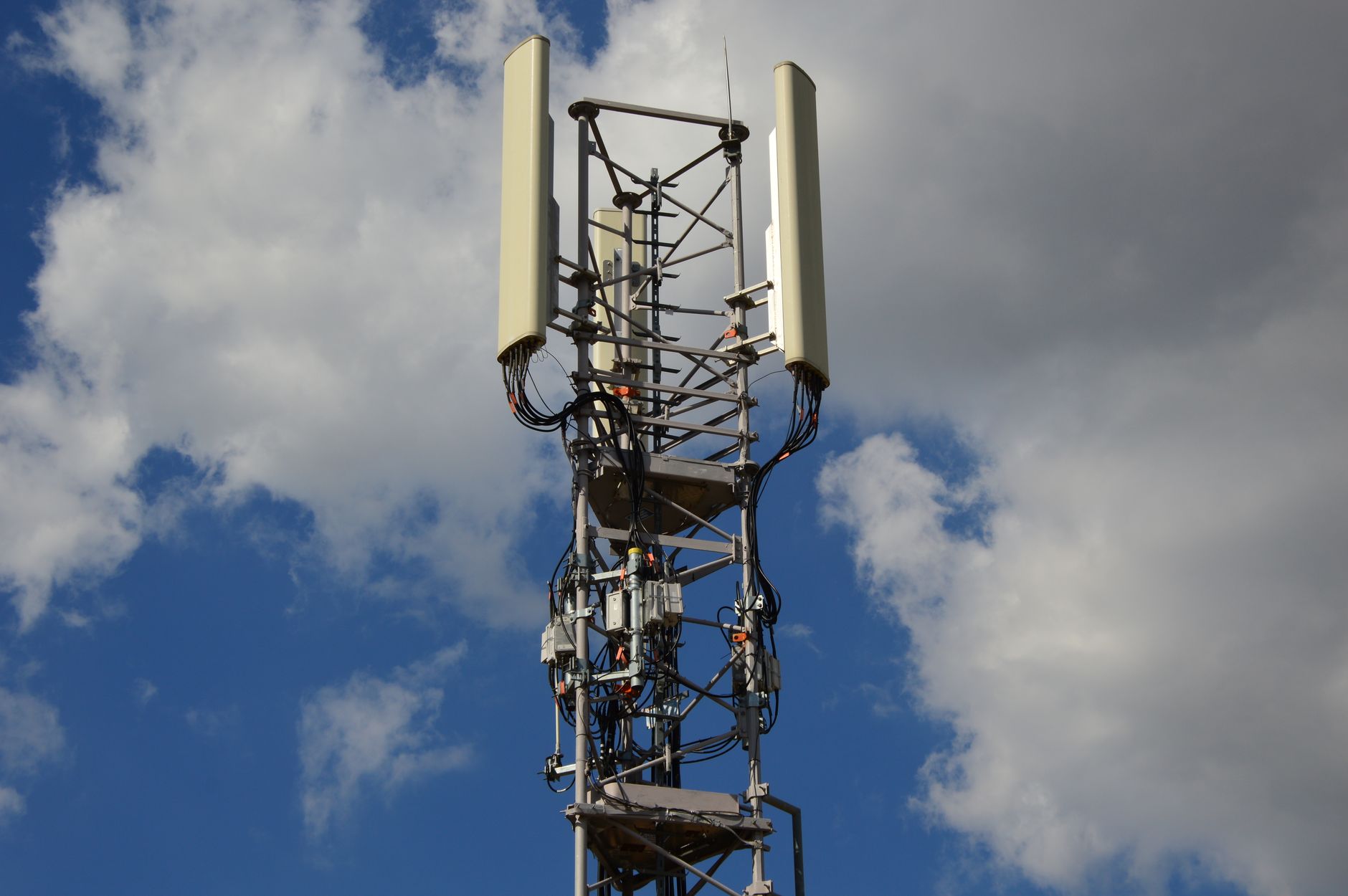
Photo by Ulrick Trappschuh on Pexels
Rakuten Mobile Trims Q3 Losses, But the Real Story Is What Comes Next
Rakuten Mobile, the disruptive Japanese carrier that staked its future on a fully virtualized, cloud-native mobile network, is showing tangible signs of financial progress. The operator reported a narrowing of its third-quarter losses, a development that signals the carrier’s aggressive subscriber acquisition strategy and lean network architecture are beginning to bear fruit — even as capital expenditures continue to climb.
For a company that launched commercial service in 2020 by essentially betting the house on open RAN and cloud-native principles, the improving financials represent a meaningful inflection point. But Rakuten isn’t pivoting to austerity. Far from it.
Mikitani Holds the Line on Investment-First Strategy
Rakuten Group CEO Hiroshi Mikitani made clear in recent communications that the company has no intention of pulling back on network spending. His message to investors and industry observers alike: growth and profitability must be balanced, and right now, the network investment phase is far from over.
This is a philosophy that has defined Rakuten Mobile from its inception. The carrier entered Japan’s tightly held mobile market — long dominated by NTT Docomo, KDDI, and SoftBank — by promising to build a 4G/5G network at a fraction of traditional costs using virtualized, software-defined infrastructure. The theory was elegant: replace expensive proprietary hardware with commodity servers and open-source software, dramatically reducing both capital and operational expenditure per base station.
In practice, the journey has been considerably bumpier. Network coverage gaps, billing controversies, and persistent losses tested investor patience. But with the subscriber base now growing steadily past the 7 million mark, the unit economics are starting to improve in ways that validate the original thesis.
5G Standalone: The Technical Pivot That Could Change Everything
Perhaps the most consequential element of Rakuten’s forward strategy is its planned introduction of 5G Standalone (SA) architecture — a move that would fully separate the carrier from legacy 4G core dependencies and unlock the true capability suite of fifth-generation networks.
Unlike 5G Non-Standalone (NSA), which anchors control plane signaling to existing LTE infrastructure, 5G SA operates with an entirely independent 5G New Radio (NR) and 5G Core (5GC). This matters enormously for a carrier like Rakuten because it enables native support for network slicing, ultra-low latency applications, and advanced enterprise services — exactly the kind of differentiated offerings that justify premium pricing and attract B2B contracts.
For Rakuten, which built its entire network on cloud-native principles using a disaggregated Open RAN architecture, 5G SA isn’t just a technical upgrade — it’s the moment the architecture philosophy pays off commercially. The company’s core network, built on Kubernetes-based microservices and deployed across its own cloud infrastructure, is structurally better positioned for a 5G SA transition than carriers running traditional monolithic network functions.
Open RAN Synergies at Scale
Rakuten’s approach also carries significant implications for the broader Open RAN ecosystem. As one of the most prominent real-world deployments of open, interoperable radio access network technology at scale, Rakuten’s operational data and performance benchmarks are closely watched by operators globally who are considering similar paths.
The company’s subsidiary, Rakuten Symphony, has been commercializing the same technology stack that powers Rakuten Mobile’s domestic network, offering it to other operators worldwide through its Symworld platform. Every quarter that Rakuten Mobile demonstrates improved financial performance strengthens the commercial case for Open RAN adoption among Tier 1 operators in Europe, Asia, and the Americas.
Market Pressure and Competitive Dynamics in Japan
Japan’s mobile market remains intensely competitive. NTT Docomo, KDDI, and SoftBank collectively hold the overwhelming majority of mobile subscribers, with deeply entrenched brand loyalty and extensive physical retail networks. Rakuten’s value proposition has historically leaned heavily on pricing — its flat-rate unlimited plans created genuine disruption and forced pricing adjustments from incumbents — but as the market matures, differentiation through network quality and 5G services will become increasingly critical.
Coverage expansion remains a priority. While Rakuten has made significant progress building out its own radio infrastructure, the carrier still relies on roaming agreements with KDDI in areas where its own network doesn’t yet reach, an arrangement that carries both cost and quality implications. Accelerating the reduction of that roaming dependency is one of the key variables that will determine how quickly losses continue to narrow.
Industry Outlook: A Canary for Cloud-Native Carriers Worldwide
Rakuten Mobile’s trajectory matters well beyond Japan’s borders. The carrier has become something of a proof-of-concept benchmark for the entire cloud-native, Open RAN movement. Analysts and telecom executives globally are watching whether a fully virtualized greenfield operator can achieve sustainable profitability — and on what timeline.
The narrowing Q3 losses suggest the answer may be “yes,” and that the timeline is shortening. If Rakuten can execute its 5G SA launch cleanly, grow subscribers past the scale threshold where network costs are well-distributed, and continue monetizing its technology stack through Rakuten Symphony, the company could emerge as one of the most consequential stories in modern telecommunications — not just as a mobile operator, but as a template for how next-generation networks get built and run.
The investment phase isn’t over. But the returns, it seems, are finally beginning to arrive.
