
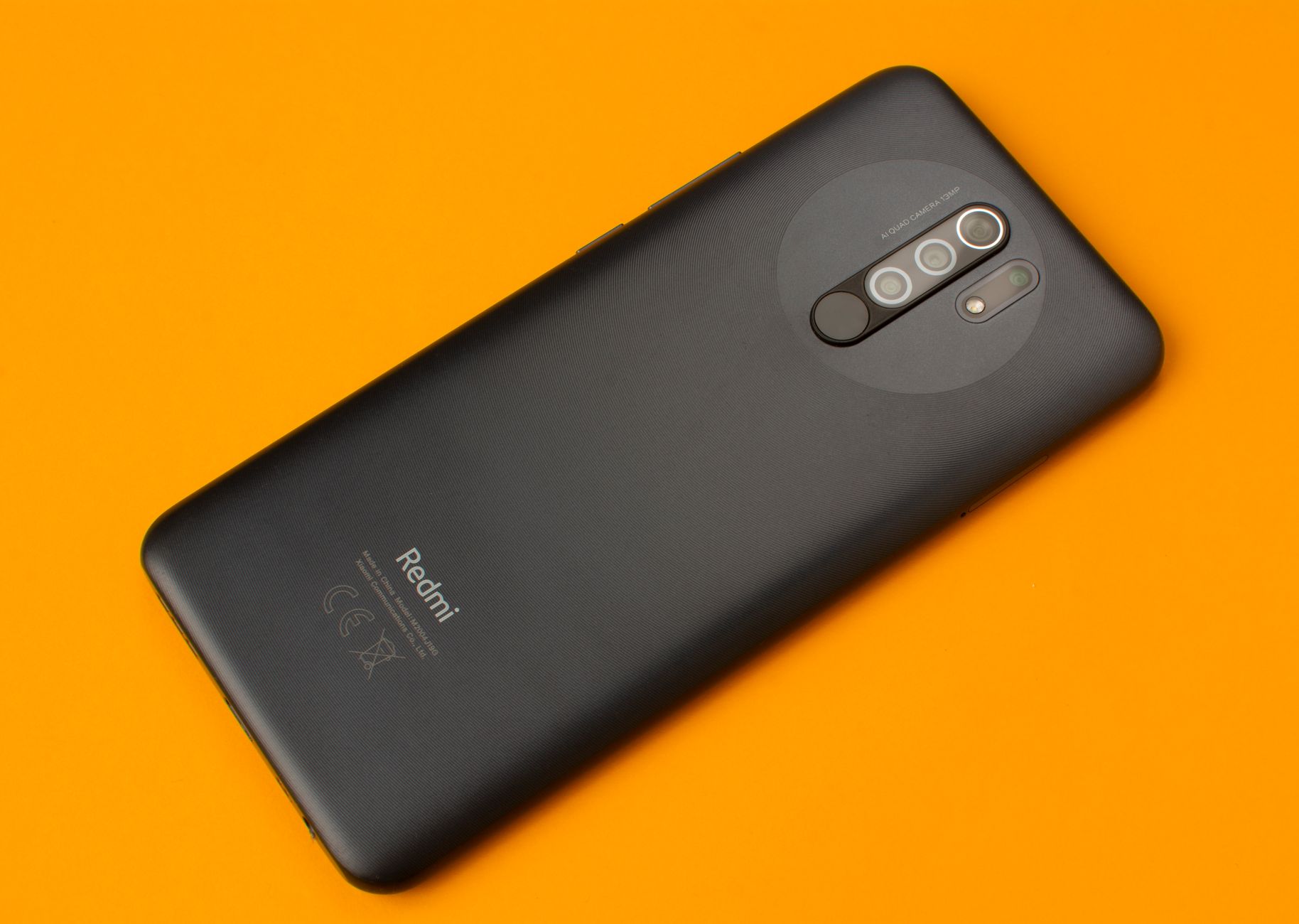
Photo by Mustafa ezz on Pexels
Xiaomi’s Redmi Note 17 Series: A First Look at the Next Mid-Range 5G Contender
Xiaomi is once again preparing to shake up the mid-range smartphone market with the imminent launch of the Redmi Note 17 and Redmi Note 17 Pro. Scheduled to arrive later this month, the new series continues the brand’s well-established tradition of delivering high-specification devices at aggressive price points — a strategy that has helped Redmi carve out a dominant position across Asia, Europe, and Latin America. With 5G adoption accelerating globally, the timing of this launch could not be more strategic.
Design and Display: Refined Aesthetics Meet Functional Engineering
First-look reports and early renders of the Redmi Note 17 series suggest a significant design refresh compared to its predecessors. The devices are expected to feature slimmer bezels, a more premium build quality with reinforced frames, and a larger display footprint. The Pro variant, in particular, is anticipated to sport an AMOLED panel with high refresh rates — likely 120Hz or higher — catering to users who demand smoother visual experiences for gaming, streaming, and social media consumption.
From a telecom perspective, the display and build are secondary to what sits beneath the hood. However, Xiaomi understands that in an increasingly crowded market, aesthetics play a critical role in consumer purchasing decisions, especially when competing with brands like Samsung, Motorola, and Realme in the sub-$300 price bracket.
Connectivity and 5G Capabilities: The Core Selling Point
Perhaps the most critical aspect for TelecomGrid readers is the connectivity stack. The Redmi Note 17 Pro is widely expected to be powered by a capable mid-range chipset — likely from Qualcomm’s Snapdragon 7-series or MediaTek’s Dimensity lineup — both of which offer robust 5G Sub-6GHz support. This ensures compatibility with the majority of commercial 5G networks currently deployed globally, from SA (Standalone) to NSA (Non-Standalone) architectures.
The standard Redmi Note 17 may also feature 5G connectivity, continuing Xiaomi’s push to democratize next-generation wireless access. Supporting multiple 5G bands across key markets is essential, and Xiaomi has historically done a commendable job of offering region-specific SKUs to maximize carrier compatibility — a practice that telecom operators and distributors greatly appreciate.
Wi-Fi 6 and Bluetooth Enhancements
Beyond cellular, the series is expected to support Wi-Fi 6 (802.11ax), offering improved throughput, reduced latency, and better performance in congested wireless environments. This is particularly relevant as enterprises and homes upgrade their Wi-Fi infrastructure. Bluetooth 5.3 or higher is also anticipated, improving audio quality and range for wireless peripherals — a small but meaningful upgrade for everyday users.
Camera and AI Integration: Competing in the Imaging Arms Race
The Note series has historically been a benchmark in camera performance at its price tier. The Redmi Note 17 Pro is rumored to feature a triple-camera setup headlined by a high-resolution primary sensor, potentially 200MP, borrowing from Xiaomi’s higher-end lineup. AI-powered scene detection, night photography enhancements, and improved video stabilization are expected features that align with current consumer demands.
Artificial intelligence integration at the hardware and software level also extends to network management — modern chipsets can intelligently switch between 5G, 4G LTE, and Wi-Fi to optimize battery consumption and signal quality. This kind of smart connectivity management is increasingly important as users traverse environments with variable network coverage.
Battery Life and Charging: Endurance for the Always-Connected User
Battery capacity is expected to be substantial, with reports pointing to a 5,000mAh or larger cell on both models. Fast charging support — likely 45W or higher on the Pro model — ensures users can quickly top up between tasks. As mobile data consumption continues to rise globally, driven by video streaming, cloud applications, and real-time communication, battery endurance is a non-negotiable feature for the modern smartphone buyer.
Market Impact and Industry Outlook
The Redmi Note 17 series launch arrives at a pivotal moment for the global mid-range smartphone segment. According to industry analysts, mid-range 5G devices priced between $150 and $350 are expected to account for the largest share of 5G smartphone shipments through 2026, particularly in high-growth markets across South Asia, Southeast Asia, and Sub-Saharan Africa. Xiaomi’s ability to consistently deliver competitive hardware at accessible price points makes the Redmi Note 17 series a potentially significant volume driver for 5G network adoption in these regions.
For mobile network operators, a strong lineup of affordable 5G handsets like the Redmi Note 17 series is critical to justifying 5G infrastructure investments and monetizing spectrum. The more consumers that hold 5G-capable devices, the stronger the business case becomes for operators to expand and densify their networks with small cells, massive MIMO arrays, and eventually millimeter-wave deployments.
With the official launch just around the corner, all eyes in the telecom and consumer electronics industries will be on Xiaomi’s pricing strategy and regional availability. If history is any guide, the Redmi Note 17 series is poised to once again deliver exceptional value — and accelerate the world’s transition to a truly connected 5G future.
