
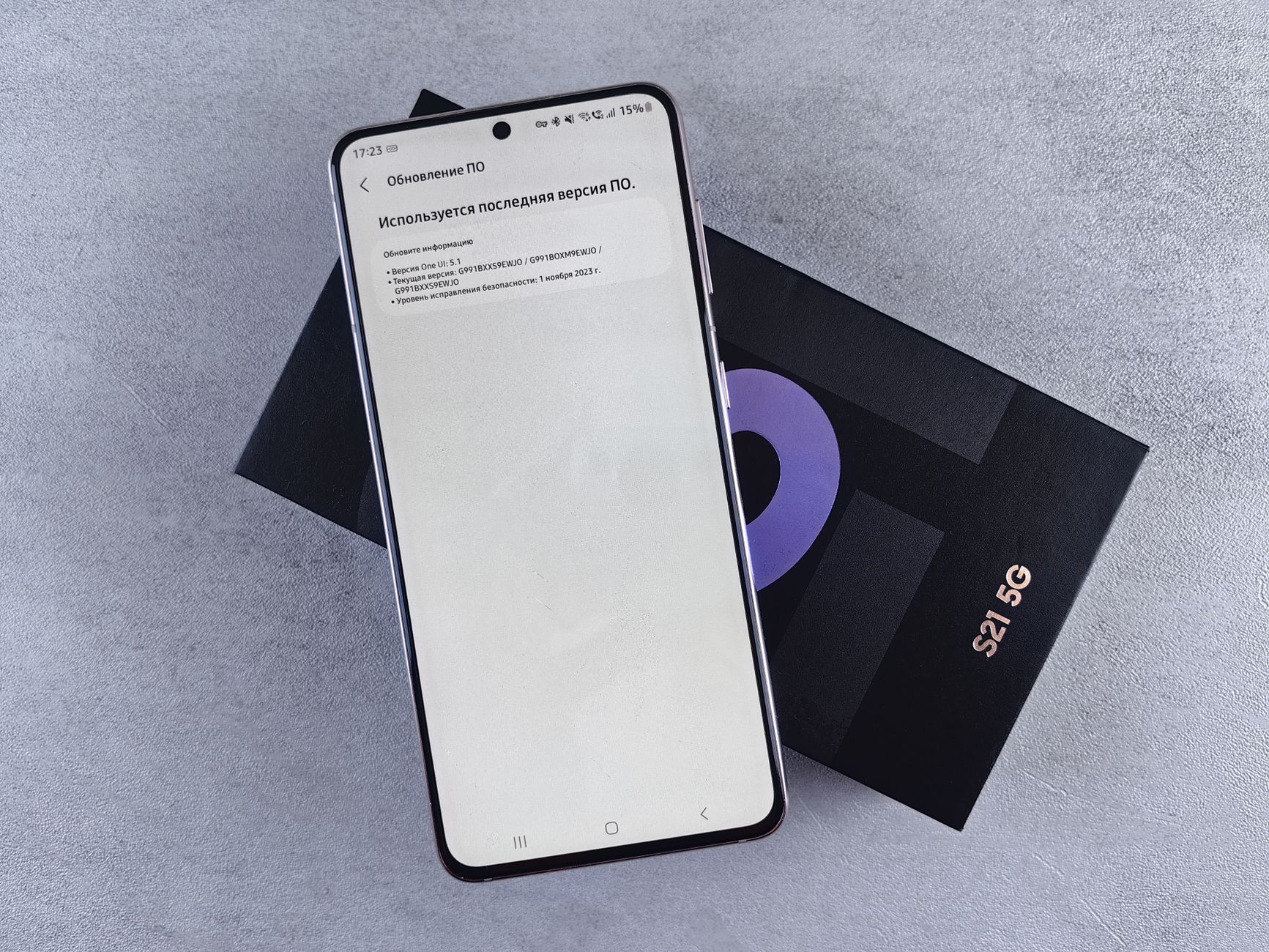
Photo by Andrey Matveev on Pexels
Samsung Galaxy S27 Series Shaping Up to Be a Major Leap Forward
As 2026 draws to a close, the mobile industry rumor mill is spinning into overdrive, and Samsung’s next flagship lineup — the Galaxy S27 series — is firmly in the spotlight. Early leaks and supply chain whispers are pointing toward a restructured product lineup that could include a dedicated Pro model sitting between the standard S27 and the ultra-premium S27 Ultra. Combined with what sources describe as meaningful display technology upgrades, Samsung appears to be gearing up for one of its most ambitious smartphone launches in recent memory.
For telecom operators, network equipment vendors, and mobile enthusiasts alike, the Galaxy S27 series isn’t just another annual refresh. It represents a critical inflection point in how premium Android devices will drive 5G adoption, support next-generation network features, and push the boundaries of what consumers expect from connected devices in 2027 and beyond.
A Restructured Lineup: Enter the Galaxy S27 Pro
Perhaps the most significant structural change rumored for the S27 series is the introduction of a dedicated “Pro” tier — a model that would slot comfortably between the base Galaxy S27 and the top-of-the-line S27 Ultra. This mirrors a strategy Samsung’s rivals, particularly Apple with its iPhone Pro lineup, have employed successfully for years.
Industry analysts suggest this move is both a competitive and commercial play. By offering a Pro variant, Samsung can capture the significant segment of consumers who want more than a base model but find the Ultra’s price point — expected to push well past $1,300 — prohibitive. From a carrier perspective, this additional tier creates a new mid-to-high value device for installment plan portfolios, potentially boosting average revenue per user (ARPU) metrics that telecom operators watch closely.
What “Pro” Could Mean in Practice
While specifications remain unconfirmed, industry insiders expect the Galaxy S27 Pro to feature a larger battery capacity than the standard S27, an enhanced telephoto camera system, and — critically — a more capable 5G modem configuration. There is growing speculation that Samsung’s own Exynos chipset, potentially co-developed with AMD graphics architecture, could make a comeback in select global markets, while Qualcomm’s anticipated Snapdragon 8 Elite Gen 2 (or successor) handles North American and select Asian markets.
Display Upgrades: The Next Frontier for Flagship Differentiation
Display technology is where the Galaxy S27 series could make its most visible technological statement. Rumors point to Samsung Display supplying next-generation OLED panels with improved peak brightness — potentially exceeding 3,000 nits — alongside advances in refresh rate efficiency and under-display camera technology that may finally achieve the visual seamlessness the industry has been chasing for years.
There is also strong speculation around the adoption of thinner bezels across the entire S27 lineup, with the Pro and Ultra models possibly featuring a titanium frame similar to what Apple introduced with the iPhone 15 Pro series. More importantly for telecom professionals, improved display efficiency directly correlates with better battery endurance — a persistent complaint among heavy 5G users who experience faster battery drain when connected to mmWave or Sub-6GHz 5G networks under heavy load.
Variable Refresh Rate and Network Interaction
Advanced LTPO (Low Temperature Polycrystalline Oxide) display technology, expected to be refined further in the S27 lineup, dynamically adjusts screen refresh rates from as low as 1Hz up to 120Hz. This technology has real-world network implications: when a device is in a low-activity display state, it places less demand on background data refresh cycles, contributing to more efficient use of 5G network resources — a nuance that mobile network operators increasingly factor into device certification and optimization programs.
5G and Connectivity: Raising the Bar for Network Capabilities
Beyond the hardware aesthetics, the Galaxy S27 series is expected to push the envelope on connectivity. Wi-Fi 7 support is widely anticipated across the lineup, alongside Bluetooth 5.4 and potentially early-stage satellite connectivity features as Samsung looks to match capabilities already offered by Apple’s Emergency SOS via satellite.
On the 5G front, expect full support for 3GPP Release 17 and Release 18 features, including enhanced carrier aggregation, improved mmWave performance in dense urban environments, and better support for network slicing — a technology that allows operators to dedicate specific network resources to individual applications or enterprise clients. As telecom carriers in the U.S., South Korea, Japan, and Europe continue to mature their standalone (SA) 5G core deployments, devices like the S27 series will be instrumental in enabling subscribers to actually experience the latency and throughput advantages that SA 5G promises.
Market Impact and Industry Outlook
Samsung retains its position as the world’s largest smartphone manufacturer by unit volume, and its flagship Galaxy S series remains the benchmark against which Android competitors are measured. The Galaxy S27’s commercial success — particularly in markets where carriers offer heavy device subsidies tied to premium 5G plan upgrades — will have downstream effects on how operators budget for 5G device incentive programs throughout 2027.
From a supply chain standpoint, Samsung’s display and semiconductor divisions stand to benefit significantly, reinforcing the company’s vertically integrated model. For competing OEMs like Google, OnePlus, and emerging Chinese brands navigating Western market restrictions, Samsung raising the bar with the S27 creates both a challenge and a benchmark to chase.
With an official launch likely slated for early 2027 — Samsung has historically unveiled its Galaxy S series at Unpacked events in January or February — the coming months will bring a steady stream of leaks, benchmark results, and carrier partnership announcements. For now, the Galaxy S27 series appears poised to be more than a spec refresh: it may well define what a premium 5G device looks like for the next generation of wireless networks.
