
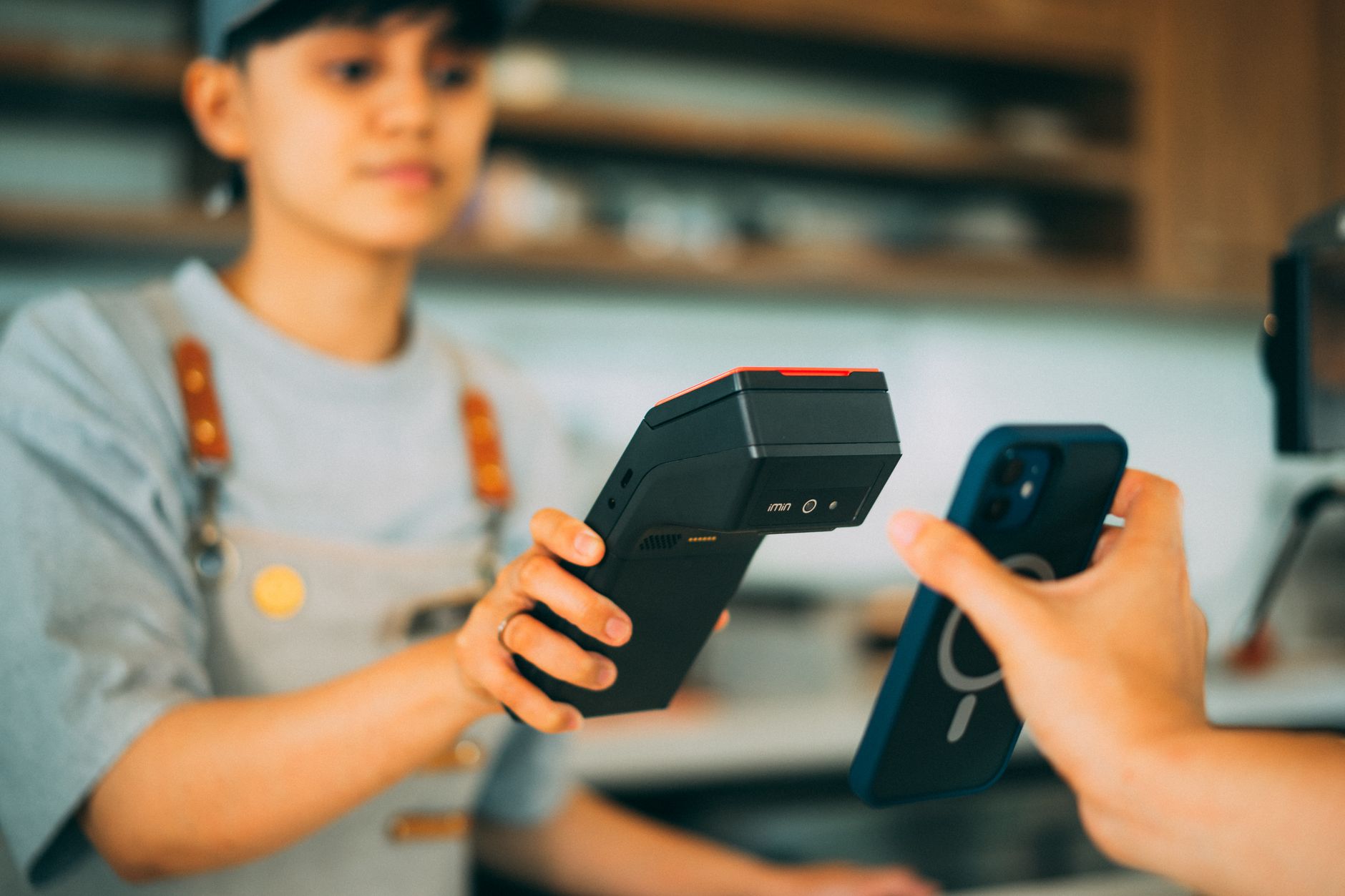
Photo by iMin Technology on Pexels
Prepaid Wireless Is Growing — But Not Without Complications
The prepaid wireless market in the United States has long been considered the scrappier, less glamorous cousin of postpaid mobility. Yet in 2024, that perception is rapidly becoming outdated. Prepaid wireless is not just surviving — it’s actively reshaping itself through physical retail expansion, broadband service bundling, and a new wave of strategic partnerships that are blurring the traditional lines between prepaid and postpaid offerings.
With tens of millions of subscribers relying on prepaid plans from carriers like T-Mobile’s Metro by T-Mobile, AT&T’s Cricket Wireless, Dish’s Boost Mobile, and a growing constellation of MVNOs (Mobile Virtual Network Operators), the segment represents a critical slice of the broader U.S. wireless ecosystem — one that operators can no longer afford to treat as an afterthought.
Store Growth: Physical Retail Makes a Comeback
One of the more surprising trends in the prepaid market has been the renewed emphasis on brick-and-mortar retail. In an era when digital-first strategies dominate, prepaid carriers are doubling down on physical store footprints. Metro by T-Mobile, Cricket Wireless, and Boost Mobile have each invested in expanding dealer networks, particularly in underserved suburban and rural corridors where in-person sales and customer education remain essential conversion tools.
This isn’t simply nostalgia for traditional retail. Prepaid customers — many of whom are cost-conscious consumers, recent immigrants, or individuals without established credit histories — tend to place higher value on face-to-face interaction when selecting or switching wireless plans. The tactile experience of comparing devices, activating SIM cards on the spot, and receiving live support drives loyalty in ways that digital onboarding often cannot replicate.
Dealer Networks and the Independent Retail Ecosystem
Behind the branded storefronts lies a vast and complex network of independent wireless dealers — small business owners who operate under master agent agreements and often carry multiple carrier brands simultaneously. Events like the All Wireless & Prepaid Expo in Las Vegas serve as the critical nerve center for this community, connecting dealers, carriers, device manufacturers, and ancillary technology providers in a single venue. Las Vegas has cemented itself as the undisputed hub for prepaid networking, with the expo drawing thousands of attendees annually and serving as a bellwether for where the market is heading.
Broadband Bundling: The New Growth Frontier
Perhaps the most strategically significant development in the prepaid space is the growing integration of Fixed Wireless Access (FWA) broadband services into prepaid bundles. T-Mobile and Verizon have aggressively pushed FWA as a home broadband alternative, and the prepaid channel is increasingly being leveraged to extend that reach to lower-income households.
T-Mobile’s Home Internet service, available to Metro by T-Mobile subscribers, represents one of the clearest examples of this convergence. By bundling mobile and home connectivity under a single prepaid account, carriers are increasing average revenue per user (ARPU), improving customer stickiness, and positioning themselves to compete directly with cable and DSL providers in markets where those incumbents have underinvested.
The technical backbone enabling this shift is the maturation of 5G mid-band spectrum — particularly T-Mobile’s extensive 2.5 GHz holdings and Verizon’s C-band deployments. These mid-band frequencies deliver the combination of coverage and capacity needed to make FWA a genuinely viable broadband product at scale, with typical download speeds now consistently ranging between 100 and 300 Mbps in well-covered areas.
Affordable Connectivity and Government Programs
The expiration of the federal Affordable Connectivity Program (ACP) in 2024 has introduced headwinds for prepaid broadband adoption, particularly among low-income households that had relied on the $30 monthly subsidy to offset connectivity costs. Carriers and dealers in the prepaid segment are navigating the post-ACP landscape carefully, with some operators absorbing partial subsidies to retain at-risk subscribers and others advocating for replacement federal programs through industry coalitions.
Shifting Retail Fortunes: Winners, Losers, and Wildcards
Not every player in the prepaid ecosystem is thriving equally. Boost Mobile, under EchoStar’s ownership following the Dish Network era, has faced well-documented network transition challenges as it works to migrate subscribers off leased T-Mobile infrastructure and onto its own nascent 5G network. The pace of that buildout, combined with competitive pressure from Metro and Cricket, has made subscriber retention a persistent challenge.
Conversely, TracFone — now a Verizon subsidiary — has demonstrated resilience through its multi-brand portfolio approach, operating Straight Talk, Total by Verizon, and Walmart Family Mobile across different retail channels and price points. This diversified model allows TracFone to capture demand across a wide demographic spectrum without cannibalizing its own subscriber base.
Industry Outlook: Cautious Optimism With Strategic Clarity
Analysts monitoring the prepaid segment generally characterize the current environment as one of cautious optimism. The addressable market remains substantial — approximately 80 to 90 million prepaid lines in the U.S. — and demographic trends, including population growth among cost-sensitive consumer groups and continued immigration, suggest long-term structural demand.
The carriers and dealers that will thrive are those capable of simultaneously executing on three fronts: maintaining competitive pricing and plan structures, expanding physical retail presence in strategically underserved markets, and delivering credible broadband bundling propositions that increase household penetration. The convergence of mobile and home connectivity is no longer a future aspiration in prepaid wireless — it is actively becoming table stakes. For an industry accustomed to navigating thin margins and high churn, that evolution represents both its greatest challenge and its most exciting opportunity yet.
