
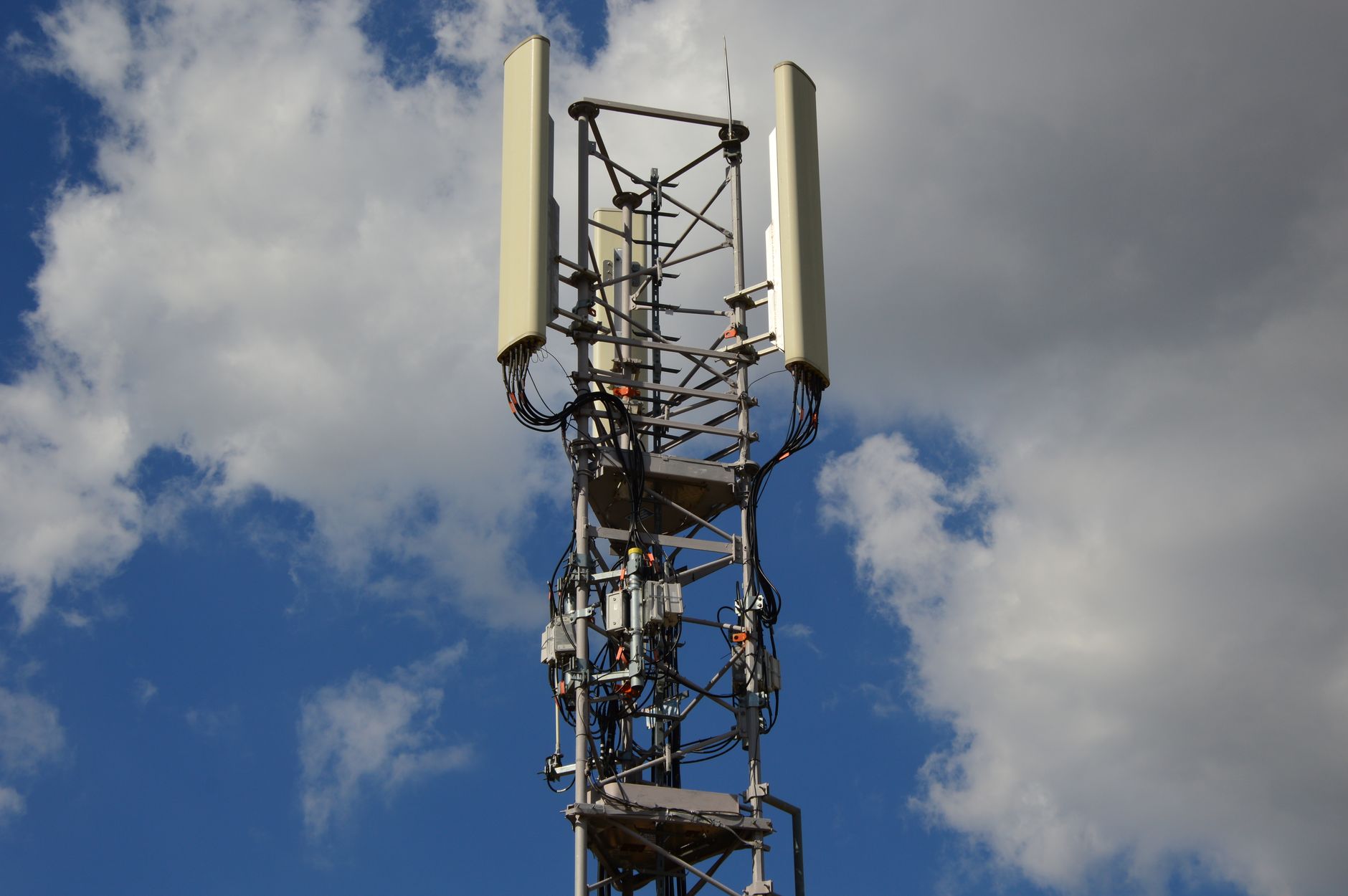
Photo by Ulrick Trappschuh on Pexels
In the race between national security imperatives and the methodical pace of international telecommunications standardization, a U.S. defense advisory panel has made its position clear: when it comes to drone detection, integrated sensing and communications (ISAC) technology cannot afford to wait for 6G to arrive on its own schedule. The panel’s recommendation underscores a pivotal tension now playing out across the telecom and defense industries — one that could reshape how ISAC is developed, deployed, and ultimately commercialized in the years ahead.
What Is ISAC and Why Does It Matter?
Integrated sensing and communications, commonly abbreviated as ISAC, refers to the convergence of wireless communication functions with active environmental sensing — essentially enabling a cellular or wireless network to simultaneously transmit data and act as a radar system. Rather than requiring separate infrastructure for communications and radar detection, ISAC merges these capabilities into a single waveform and hardware platform.
The concept has become one of the defining technical pillars of 6G research globally. Organizations like the 3rd Generation Partnership Project (3GPP), the International Telecommunication Union (ITU), and various national research initiatives have identified ISAC as a foundational use case for next-generation networks. In theory, a mature 6G ISAC deployment could detect moving objects — including unmanned aerial vehicles (UAVs), or drones — while simultaneously serving connected devices, all from the same base station infrastructure.
The dual-use appeal is obvious: network operators get enhanced spectrum efficiency, and governments get pervasive sensing capability without building entirely separate sensor grids. But the timeline for that vision is the sticking point.
The Standards Clock Is Too Slow for the Drone Threat
3GPP’s Release 19 has begun laying groundwork for ISAC study items, with more substantive standardization work expected in Release 20 and beyond. Full 6G commercialization is broadly projected for the early-to-mid 2030s. For defense planners watching the proliferation of commercial drones being weaponized in conflict zones from Ukraine to the Middle East, that timeline is untenable.
The defense panel’s recommendation essentially argues that radar — existing, proven, and deployable today — should be treated as the primary near-term tool for ISAC-style drone detection, rather than waiting for a 6G standards framework to catch up with operational need. This is not a rejection of ISAC as a long-term standard; rather, it’s a call to bridge the gap with already-available technology.
This pragmatic stance reflects a broader pattern in defense procurement: field what works now, then migrate to next-generation standards as they mature. It’s a model familiar from the early days of 4G LTE deployment, where FirstNet and military communicators pushed for mission-critical broadband years before commercial networks were fully ready to support it.
Radar as a Transitional ISAC Architecture
Modern radar systems — particularly those operating in millimeter-wave (mmWave) and S-band frequencies — already demonstrate many of the sensing characteristics that 6G ISAC promises. Software-defined radar platforms can be reprogrammed to adapt waveforms dynamically, share spectral resources with adjacent communication bands, and feed detection data into AI-driven threat classification pipelines.
What these systems lack, compared to a true ISAC architecture, is the deep integration with communication network infrastructure. A dedicated radar system is a sensing tool; a fully realized ISAC deployment would make sensing an intrinsic property of the communications network itself. The panel appears to acknowledge this distinction while arguing that the operational urgency of drone proliferation justifies accepting a less integrated — but immediately available — solution.
Several defense contractors and startups have already moved in this direction, developing hybrid platforms that layer drone-detection radar onto existing 5G infrastructure in military installations and critical facilities. These deployments hint at what a pre-standards ISAC ecosystem might look like: functional, pragmatic, and only partially integrated with commercial network frameworks.
Implications for the Commercial Telecom Industry
The defense panel’s stance carries meaningful implications beyond the military domain. If government and defense agencies accelerate radar-based ISAC deployments independently of 3GPP standards, it could create a bifurcated ISAC ecosystem — one track driven by defense procurement cycles and another by commercial standardization. Harmonizing these tracks later may prove technically and politically complex.
On the other hand, defense investment in early ISAC-adjacent technology could actually accelerate the commercial ecosystem. Military-grade mmWave sensing research, spectrum coexistence tools, and AI-based detection algorithms developed under defense contracts often find their way into commercial standards. GPS, cellular encryption, and much of the internet itself followed this trajectory.
Network operators and equipment vendors watching this space should note that ISAC’s commercial value proposition — traffic management, gesture recognition, indoor positioning, environmental monitoring — remains largely intact regardless of how the defense sector proceeds. But the defense panel’s intervention is a reminder that spectrum policy, sensing regulations, and infrastructure security requirements may all be shaped significantly by non-commercial actors as ISAC development accelerates.
Industry Outlook
The fundamental message from the defense panel is one the broader telecom industry would do well to internalize: ISAC’s strategic importance has outpaced its standardization timeline. Whether through radar bridges, hybrid deployments, or accelerated standards work, the pressure to deliver usable sensing-communications convergence is now coming from directions that 3GPP working groups cannot fully control.
As 6G research intensifies through 2025 and into the decade ahead, expect ISAC to remain one of the most contested and consequential technical battlegrounds in wireless — not just in standards bodies, but in defense ministries, spectrum regulators, and procurement offices around the world.
