
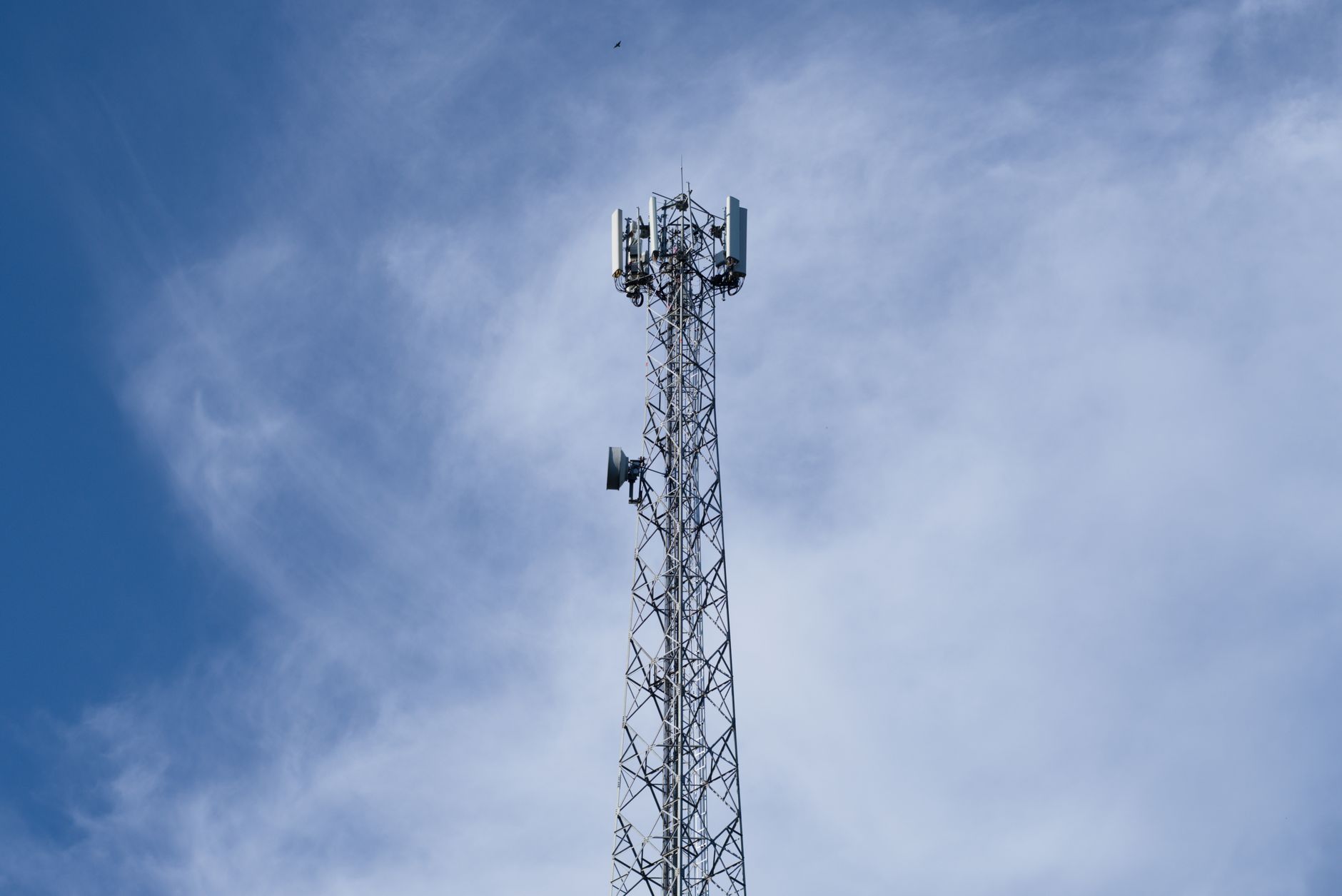
Photo by Qeis Ismail on Pexels
Nokia has confirmed it will divest its Enterprise Campus Edge (ECE) business unit to Aurelius, a European private equity firm with a track record of acquiring and restructuring technology-focused companies. The deal signals a notable strategic reversal for the Finnish telecom giant, which had previously positioned private 5G networks as a key growth pillar — even as the broader market continues to attract significant investment from competitors and hyperscalers alike.
What Is the Enterprise Campus Edge Business?
Nokia’s ECE unit was purpose-built to serve enterprise customers seeking to deploy private 5G and LTE networks across industrial campuses, manufacturing facilities, logistics hubs, warehouses, and critical infrastructure environments. The business provided end-to-end private network solutions, including radio access network (RAN) hardware, core network software, and professional services tailored to verticals such as automotive, mining, energy, and ports.
Private 5G networks — sometimes referred to as non-public networks (NPNs) under 3GPP standards — allow enterprises to operate dedicated wireless infrastructure with guaranteed quality of service (QoS), ultra-low latency, and enhanced security compared to shared public networks. Use cases range from autonomous guided vehicles (AGVs) on factory floors to real-time video analytics and connected worker solutions.
The ECE division competed directly with offerings from Ericsson, Samsung, Huawei, and a growing ecosystem of cloud-native upstarts such as Celona, Druid Software, and Athonet — the latter of which was actually acquired by HPE in 2023. More recently, hyperscalers including AWS, Microsoft Azure, and Google Cloud have aggressively entered the private network space, integrating 5G core capabilities with edge computing platforms.
Why Is Nokia Walking Away?
The decision to offload ECE is eyebrow-raising, given that multiple analyst firms — including ABI Research, IDC, and Grand View Research — have projected the global private 5G network market to grow at a compound annual growth rate (CAGR) exceeding 40% through the late 2020s, potentially reaching a market value north of $25 billion by 2030.
Nokia’s rationale appears to be rooted in margin pressure and go-to-market complexity. Private enterprise deployments, while strategically compelling, often require heavily customized solutions, lengthy sales cycles, and significant post-deployment support — all of which can erode profitability for a vendor operating at Nokia’s scale. The company has been under pressure from investors to sharpen its focus on core network infrastructure businesses, particularly its Mobile Networks and Network Infrastructure divisions, while growing its Nokia Technologies licensing revenue.
Under CEO Pekka Lundmark, Nokia has been navigating a delicate balancing act: investing in next-generation RAN technology including Open RAN, cloud-native 5G core, and early 6G research, while simultaneously managing cost structures and maintaining competitive margins. Divesting non-core or underperforming units is consistent with that broader financial discipline.
Aurelius: A New Home for Private 5G?
Aurelius Group, headquartered in Munich, Germany, specializes in acquiring corporate carve-outs and transforming them into standalone businesses. The firm has a history of purchasing technology and industrial divisions from larger conglomerates and repositioning them with greater operational agility and focus.
For the ECE business, independence from Nokia’s corporate structure could prove to be a mixed blessing. On one hand, a leaner organization may be able to move faster, forge new partnerships, and pursue customer segments that Nokia’s enterprise sales motion was not optimized to serve. On the other hand, the unit will lose the brand recognition, R&D backing, and existing customer relationships that come with being part of a global telecom infrastructure leader.
Critical questions remain around product roadmap continuity, particularly regarding support for Nokia’s proprietary AirScale radio platforms and the ÉPIC (Enterprise Private Network in the Cloud) software stack. Enterprise customers with long-term deployment contracts will be watching closely to see how Aurelius manages the transition and whether key engineering talent is retained.
Broader Implications for the Private 5G Ecosystem
Nokia’s exit from the ECE space sends a complicated signal to the market. For some observers, it underscores the gap between private 5G hype and real-world monetization — a gap that has frustrated vendors and operators for several years. Deploying private networks at scale remains operationally complex, and many enterprises have been slower to commit than early projections suggested.
Yet others argue that Nokia’s retreat could actually benefit the broader ecosystem by reducing the number of incumbents competing on legacy hardware approaches, making room for more agile, software-first players to accelerate adoption. Vendors like Celona, which has built its business around CBRS spectrum and cloud-managed private LTE/5G, have continued to gain enterprise traction without the overhead of traditional telecom vendor structures.
Ericsson, meanwhile, appears committed to its private networks strategy through its Dedicated Networks business, and Samsung continues to build momentum with its end-to-end private 5G portfolio — particularly in North America, where CBRS spectrum has lowered the barrier to entry for enterprise deployments.
Looking Ahead
Nokia’s divestiture of its ECE unit is unlikely to be the last corporate restructuring move in the private 5G space. As the market matures and the gap between technology promise and enterprise adoption slowly closes, expect further consolidation — both through acquisitions by private equity and through strategic partnerships between vendors, system integrators, and cloud providers.
For Nokia, the focus will now sharpen on winning large-scale public network contracts, advancing its Open RAN portfolio, and positioning itself as a credible partner in the AI-driven network automation wave that is reshaping the telecom industry. Whether that narrower focus proves to be the right long-term bet — or whether Nokia will look back on the ECE sale as a costly misstep — may only become clear once the private 5G market truly hits its stride.
