
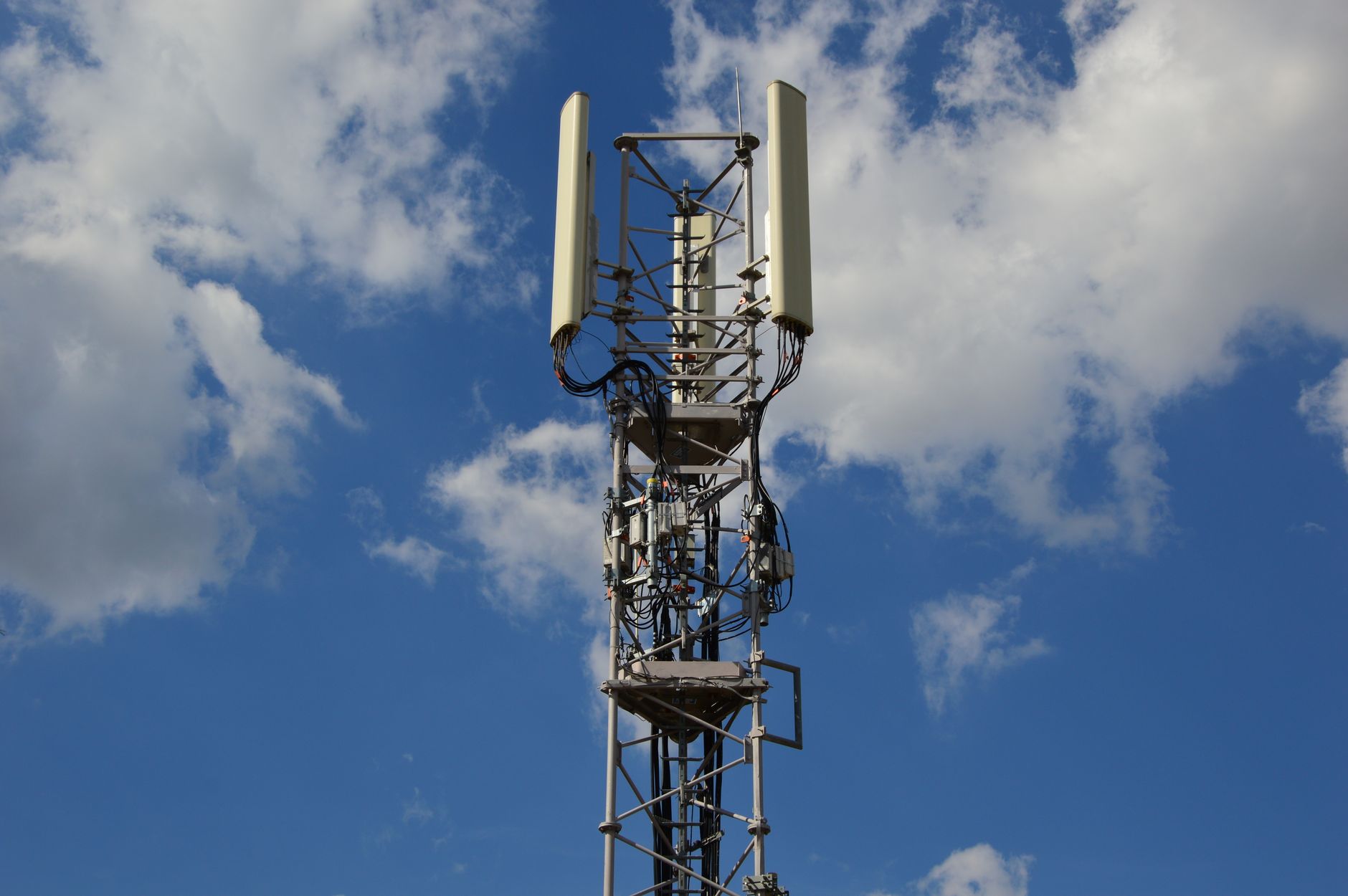
Photo by Ulrick Trappschuh on Pexels
Two Continents, Two Deals, One Clear Message: Telecom Is Consolidating Fast
In the span of a single week, the global telecommunications landscape shifted in ways that analysts have been anticipating — and debating — for years. Vodafone’s full £4.3 billion completion of its merger with Three UK, creating the newly branded VodafoneThree, and AT&T’s mammoth $23 billion agreement to acquire EchoStar’s spectrum and satellite assets have together sent an unmistakable signal: the era of lean-and-mean telecom is over. What’s replacing it is an era of deliberate, capital-intensive consolidation built for the demands of 5G, fixed wireless access, and the AI-driven network of the future.
These aren’t just big deals — they’re strategic resets. And the ripple effects will be felt from boardrooms in London and Dallas to cell towers in Birmingham and rural Wyoming.
VodafoneThree: The UK’s New Network Giant
The completion of Vodafone’s takeover of Three UK, bringing the country’s mobile operator count down from four to three, creates Britain’s largest mobile network by subscriber count — a combined base of roughly 27 million customers. The newly unified entity, operating under the VodafoneThree umbrella, inherits a combined spectrum portfolio that telco insiders say is among the most competitive in Western Europe.
What the Merger Means for the UK’s 5G Rollout
For the 5G faithful, the merger carries enormous technical promise. Three UK has long held a disproportionately large slice of mid-band spectrum — particularly in the 3.4–3.8 GHz range that is the global sweet spot for 5G performance. When combined with Vodafone’s existing infrastructure footprint, the merged entity gains both the spectrum depth and the capital scale needed to aggressively accelerate its 5G standalone (SA) network deployment across the UK.
The deal was not without controversy. Regulators at the Competition and Markets Authority (CMA) approved the merger only after extracting significant commitments — including investment pledges of up to £11 billion over the next decade and binding obligations to improve rural coverage and maintain wholesale access for mobile virtual network operators (MVNOs). Those conditions are designed to ensure that the reduction in competitive players doesn’t translate into higher prices or degraded service for British consumers.
Integration Challenges Ahead
Merging two large mobile networks is no small technical feat. Network integration at this scale typically takes three to five years and involves aligning radio access network (RAN) equipment, core network architecture, IT systems, and customer-facing platforms. Both Vodafone and Three have existing relationships with major vendors — Ericsson, Nokia, and Samsung feature prominently across their combined infrastructure — and harmonizing those relationships while hitting ambitious capex targets will test the new leadership team from day one.
AT&T’s EchoStar Play: A Spectrum Land Grab with Strategic Depth
Across the Atlantic, AT&T’s $23 billion deal to acquire EchoStar — the satellite and wireless holding company controlled by Charlie Ergen — is being described by analysts as one of the most significant spectrum transactions in US telecom history. At its core, the deal gives AT&T access to a vast tranche of valuable mid-band and low-band spectrum licenses, some of which have sat underutilized for years under EchoStar’s stewardship.
The Spectrum Math That Makes This Deal Work
AT&T’s primary target is EchoStar’s 800 MHz and AWS (Advanced Wireless Services) spectrum holdings, which complement AT&T’s existing FirstNet and mid-band 5G layers. The 800 MHz band is prized for its deep indoor penetration and wide-area coverage — critical for both suburban 5G densification and the rural connectivity mandates that regulators increasingly demand from major carriers. Adding meaningful low-band capacity to AT&T’s portfolio strengthens its competitive position against Verizon and T-Mobile, particularly in markets where coverage quality, not raw speed, determines customer loyalty.
The deal also brings Hughes Network Systems, EchoStar’s satellite broadband business, into AT&T’s orbit — raising intriguing questions about how the carrier might integrate satellite connectivity into its broader fixed wireless and enterprise offerings. As low-earth orbit (LEO) and geostationary satellite broadband converge with terrestrial 5G, owning both layers of connectivity could prove strategically decisive.
Regulatory and Integration Outlook
The EchoStar acquisition will require FCC approval, and with the current administration broadly favorable to telecom consolidation, most industry observers expect the deal to clear regulatory hurdles — though spectrum divestiture conditions remain a possibility. AT&T has signaled it plans to deploy acquired spectrum within its existing 5G SA network architecture, leveraging its FirstNet public safety network infrastructure as a foundation for rapid build-out.
The Bigger Picture: A Telecom Industry in Reset Mode
Taken together, the VodafoneThree completion and AT&T’s EchoStar acquisition illustrate a broader strategic truth that has been emerging in telecom for the past two years: survival in the 5G era requires scale, and scale requires consolidation. With network densification costs rising, spectrum auction prices remaining elevated, and the capital demands of AI-integrated network operations accelerating, smaller and mid-tier operators are finding it increasingly difficult to compete with infrastructure giants.
For consumers and enterprise customers, the short-term question is whether fewer players mean fewer choices and higher prices. For investors, the calculus is whether these billion-dollar bets on spectrum and scale will generate the returns that justify the risk. And for the engineers and network architects on the front lines, the challenge is turning two very different networks — on two different continents — into something greater than the sum of their parts.
One week doesn’t rewrite an entire industry. But sometimes, two deals in the same week come close.
